Vintage vs. New: Is a Used Eames Lounge Chair Worth It?
When I first came across a worn Eames Lounge Chair and Ottoman in a Copenhagen vintage shop, I wasn’t exactly sure if I should go for it. The leather was aged, the veneer had nicks, but something about it felt real. Alive. Like it had stories.
And that’s the thing with design icons—they don’t just furnish a room. They carry history. But when it comes to investing in one, especially a chair as legendary (and pricey) as the Eames Lounge, you can’t help but ask: Is a vintage one actually worth it compared to buying new?
Let’s break it down—from craftsmanship to character.
The Case for Vintage
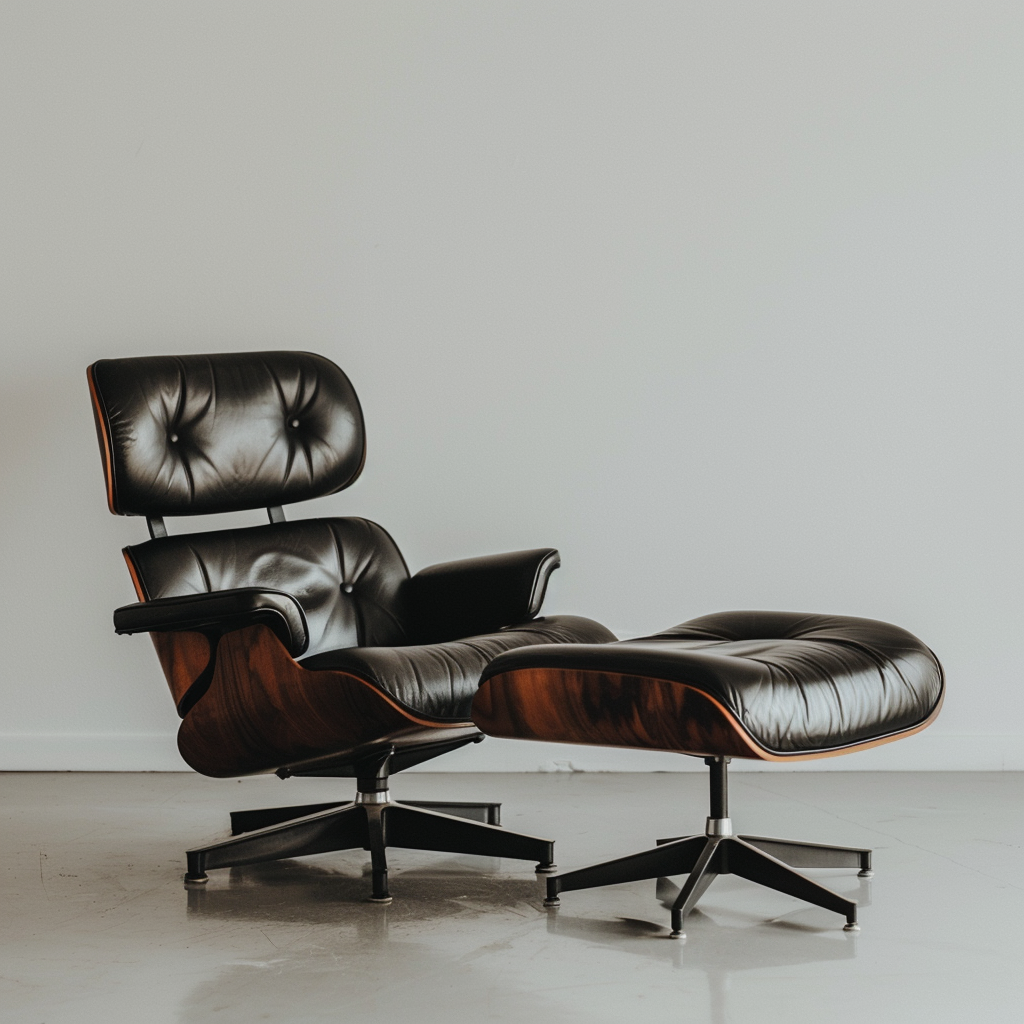
There’s something magical about an original. Especially if it dates back to the earlier production years by Herman Miller or Vitra. The rosewood veneers. The heavier, slightly more sculptural profile. The original feather-filled cushions that soften over time. You’re not just buying a chair—you’re buying a piece of 20th-century design history.
But there are other upsides too:
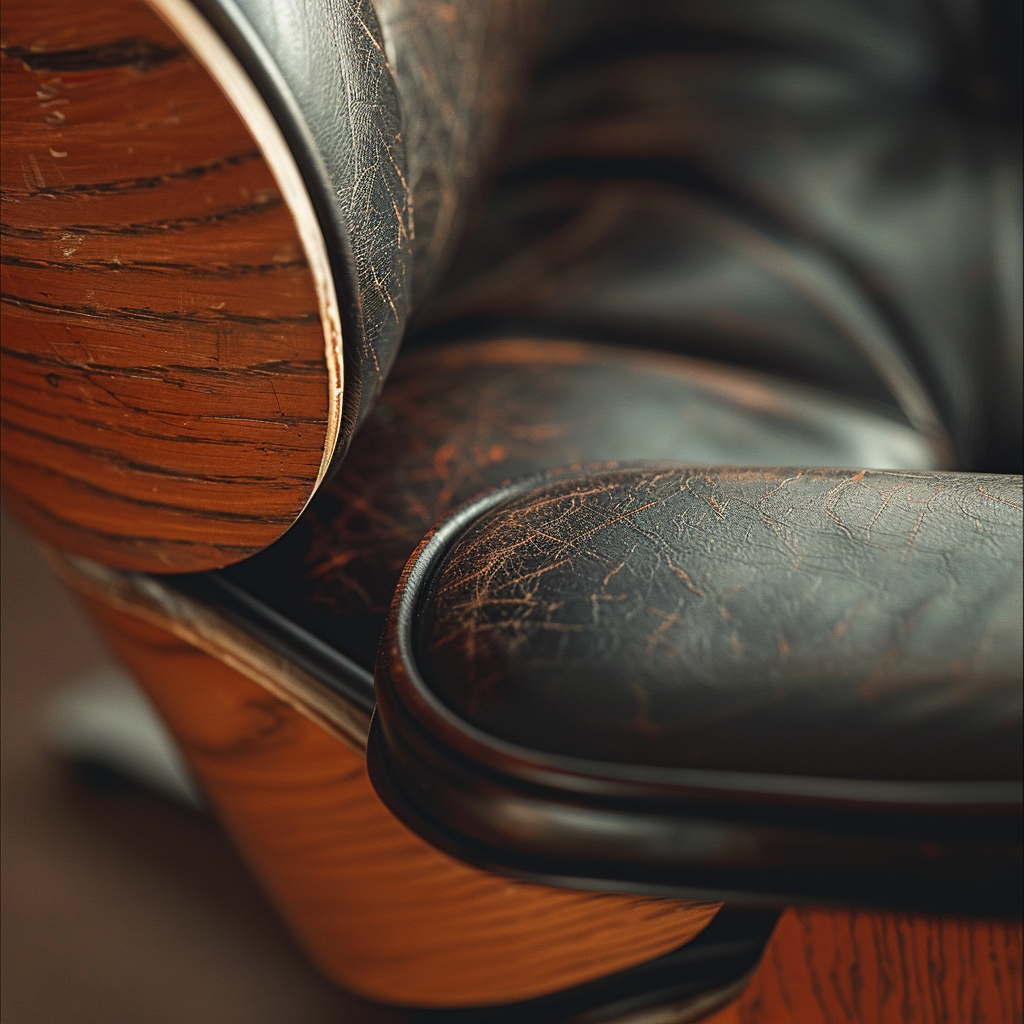
Patina: Vintage leather ages beautifully. Scuffs and wear add personality.
Craftsmanship: Earlier versions often used rarer woods and heavier materials.
Resale value: Originals (especially from the 1950s–70s) can retain or increase in value.
I lovingly restored mine with the help of my father-in-law. We spent weekends conditioning the leather, buffing the wood, and replacing a few screws. It now sits proudly in our living room—herringbone flooring underneath, latte marble table beside it—and honestly, I wouldn’t trade it for anything.
The Case for Buying New
If you prefer pristine perfection or don’t want to deal with restoration, a brand-new Eames Lounge is still a great choice. Made under strict licensing by Herman Miller and Vitra, modern models are incredibly well-crafted and come with warranties.
Some reasons people opt for new:
Warranty & support: A safety net for expensive furniture.
Customization: Choose from new finishes, fabrics, and leathers.
Availability: No hunting through vintage markets or worrying about authenticity.
That said, new chairs do have a sleeker, slightly more refined look—and to some, that’s part of the appeal.
What to Look for in a Vintage Eames Lounge
If you’re thinking of going vintage, here are a few tips:
Check the label: Original Herman Miller or Vitra badges help confirm authenticity.
Inspect the wood: Earlier chairs used Brazilian rosewood (now banned), which is a good marker of age but may require CITES certification.
Examine the shock mounts: These connect the backrest and seat—if they’re cracked or loose, repairs can be costly.
Feel the leather: It should feel soft and lived-in, not dry or cracked.
Buying vintage is not always cheaper. A rare or early model in great condition can fetch the same—or more—than a new one. But if you enjoy the hunt, the history, and the process of making it yours, it’s absolutely worth it.
For me, the vintage route wasn’t just about saving money (although I did get mine for a fraction of the new price). It was about the thrill of the find. The weekends spent restoring it. The way it fits into our home, not as a status symbol, but as something real.
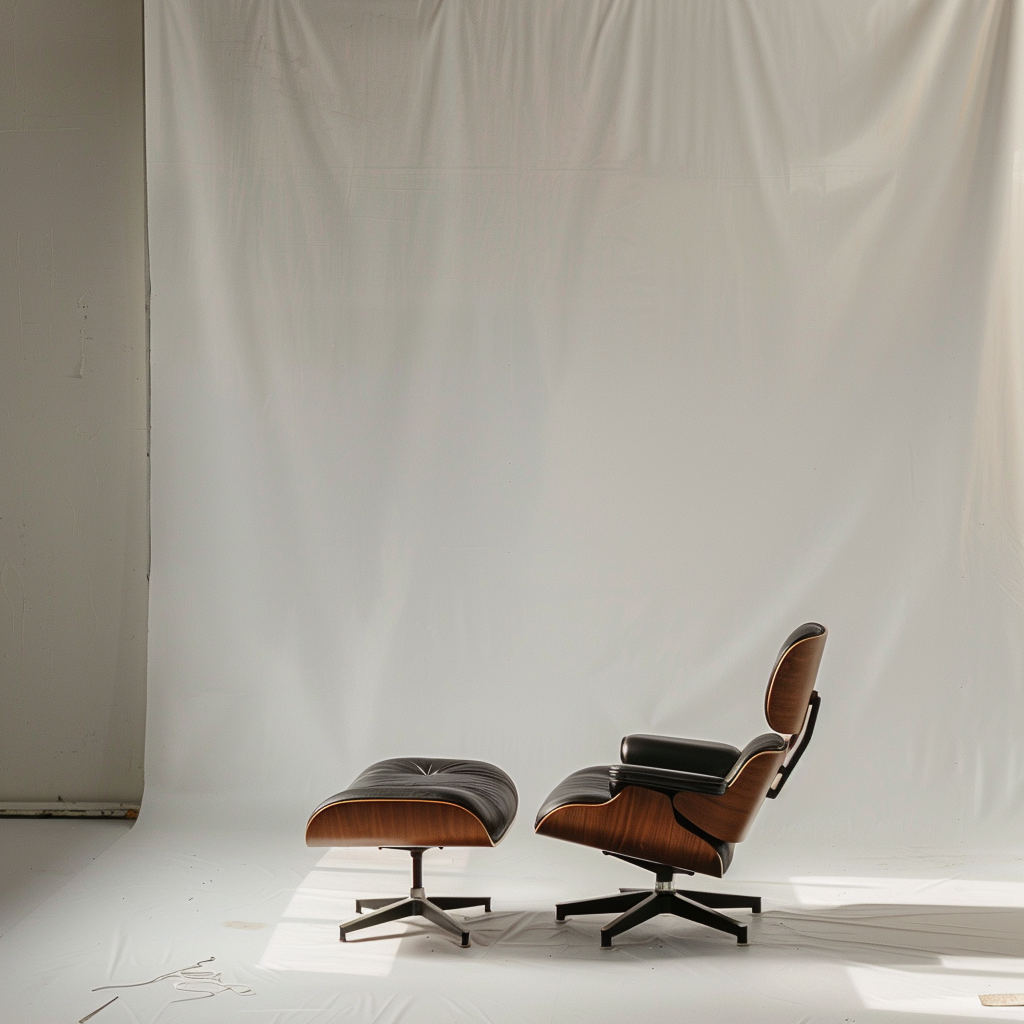
I think that’s what Charles and Ray Eames would’ve appreciated most—design that lives with you. That gets better with time.