Brutalism in Design: From Concrete to Cult Cool
When I started Vintage Minded, I never imagined I’d write about concrete.
But here we are.
There’s something about Brutalism — those hulking structures of raw, exposed material — that hits me in a way no polished marble or perfect façade ever could. It’s honest. Unapologetic. And weirdly beautiful.
I still remember the first time I stood in front of a Brutalist building — somewhere in Copenhagen, concrete glowing orange in the late afternoon. It didn’t try to charm me. It challenged me. And I’ve been obsessed ever since.
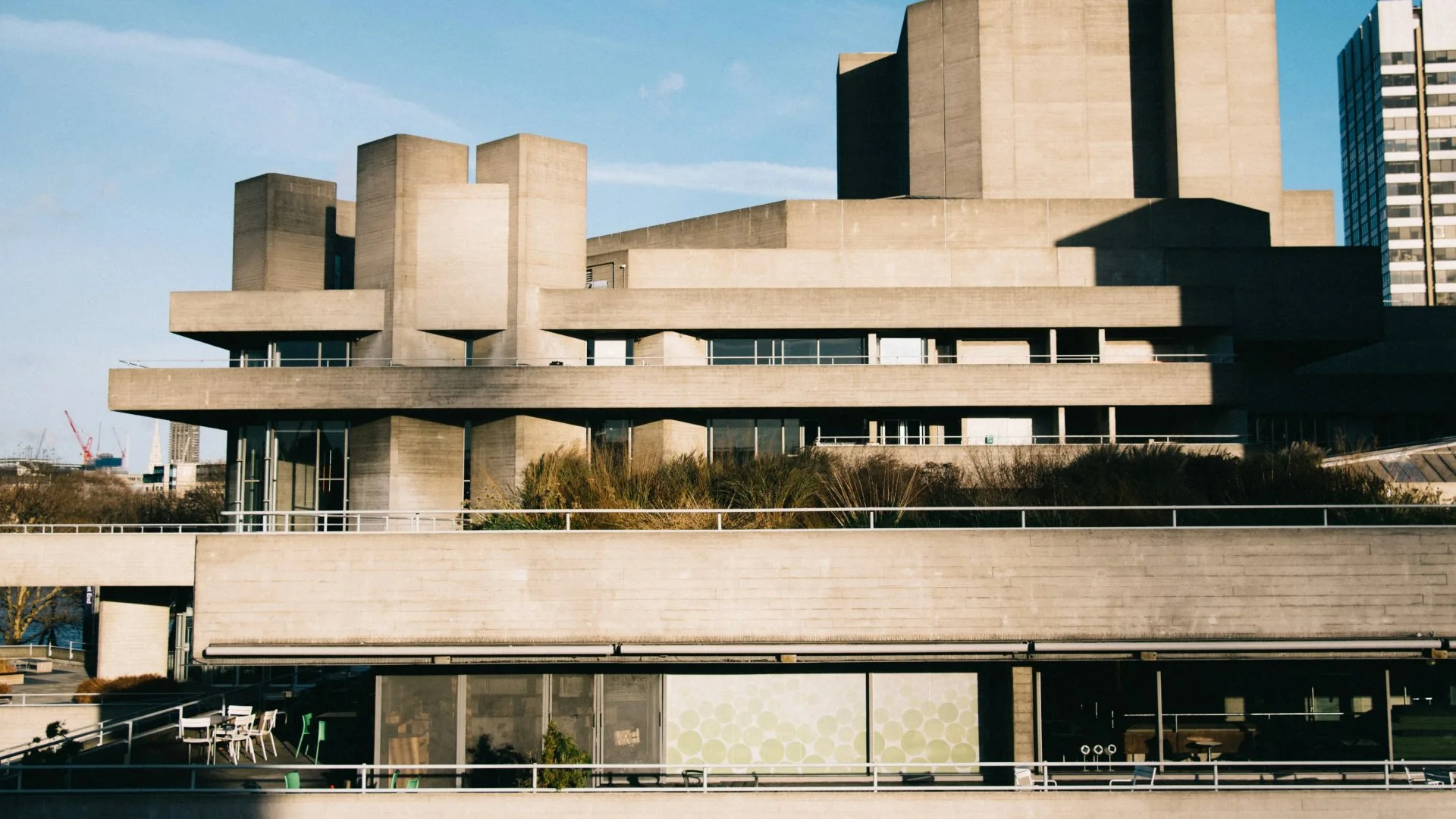
What Is Brutalism, Really?
Brutalism emerged after World War II, when the world was rebuilding — fast. Architects like Le Corbusier, Alison and Peter Smithson, and Ernő Goldfinger (yes, the Bond villain name was inspired by him) embraced minimalism, functionality, and the raw material of the future: béton brut — unfinished concrete.
But Brutalism wasn’t just about aesthetics. It was about ideals. It was social housing, public libraries, universities — design for the people. A kind of anti-style that said: form follows function, and beauty can be found in honesty.
Why I Love Brutalism (Even When Others Don’t)
Brutalist design isn’t easy. It’s cold. Heavy. Sometimes it looks like a spaceship crash-landed on Earth. And that’s exactly why I love it.
One of my favorite movies of all time is Blade Runner 2049 — and the original even more. It’s drenched in Brutalist vibes. Stark silhouettes. Towers of shadow. Concrete that feels alive. The kind of architecture that makes you feel small — but also like you’re part of something big.
I get the same feeling when I see a piece of Brutalist furniture. Angular. Overbuilt. Confident. Like it knows exactly what it is, and doesn’t care what you think.
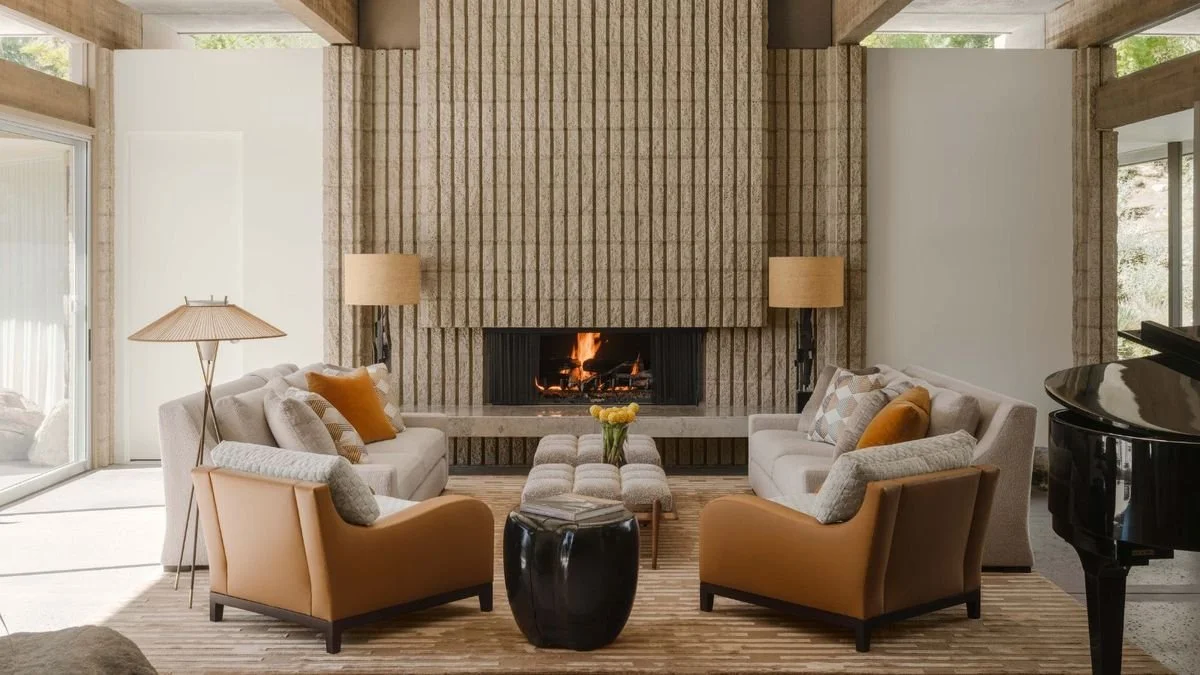
Brutalism in Interiors: Concrete Comes Inside
While Brutalism started in architecture, it’s been seeping into interiors too.
Think:
Chunky concrete tables with sharp edges
Industrial lighting with exposed rivets
Statement chairs that look more like sculpture
Rough textures paired with soft, vintage elements
In my own home — a midcentury house I’ve been renovating with a vintage-meets-modern soul — I like pairing these heavy pieces with warm woods, cozy textiles, and natural light. The contrast makes it work. And it gives the space presence.
Brutalism Today: From Cult to Cool
The internet has a funny way of rediscovering what once felt forgotten.
Today, Brutalism is back — in coffee shops, fashion campaigns, album covers. On TikTok, there’s a whole subculture of “Brutalist-core” fans drooling over government buildings and dystopian furniture.
What was once labeled “ugly” is now called “bold.”
What was cold is now cool.
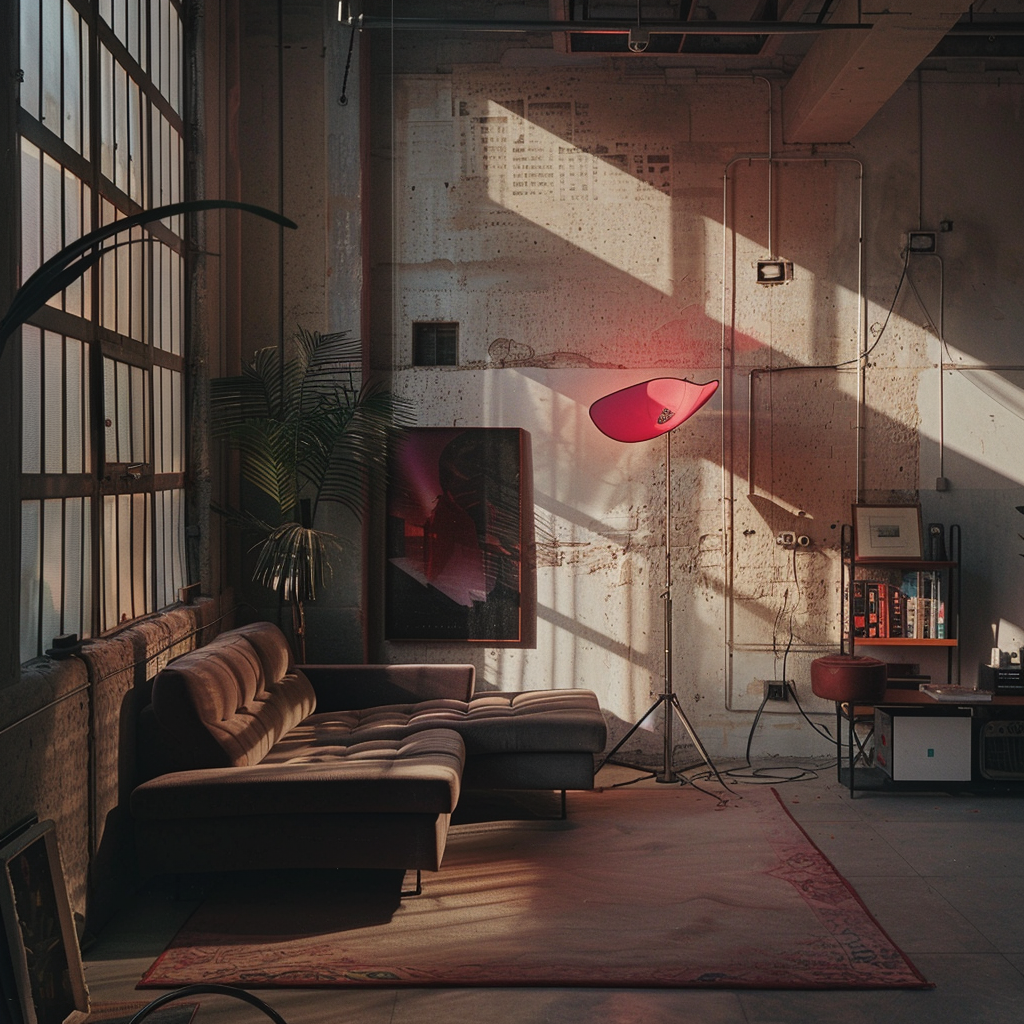
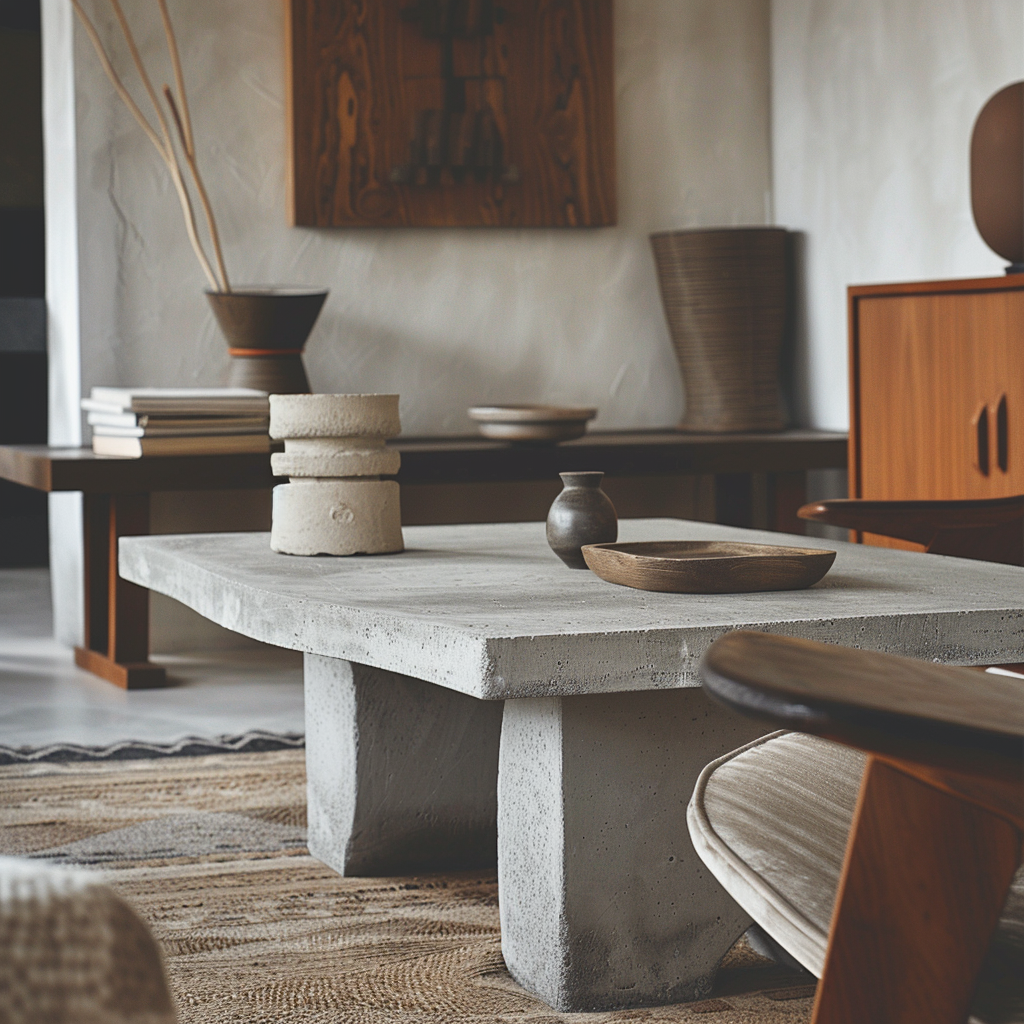
Tips for Embracing Brutalism at Home (Without Feeling Like a Bunker)
Balance is key: Pair concrete with warm woods or soft textiles
Start small: A Brutalist planter, lamp, or coffee table is enough to set the tone
Look vintage: 1970s furniture auctions or European flea markets are treasure troves
Go architectural: Even a raw concrete wall or stair rail can transform a space
Pair with light: Brutalism sings in soft, natural light — it sculpts the shadows
Brutalism isn’t for everyone.
But for those of us who love it, it’s not just a style — it’s a feeling.
It’s Blade Runner on a rainy night. It’s the poetry of mass and material.
It’s standing in front of something heavy and saying,
“This is real. This is raw. This is beautiful.”
And maybe that’s what great design is all about.