Bauhaus: The School That Changed How We See Everything

It Started with a Chair
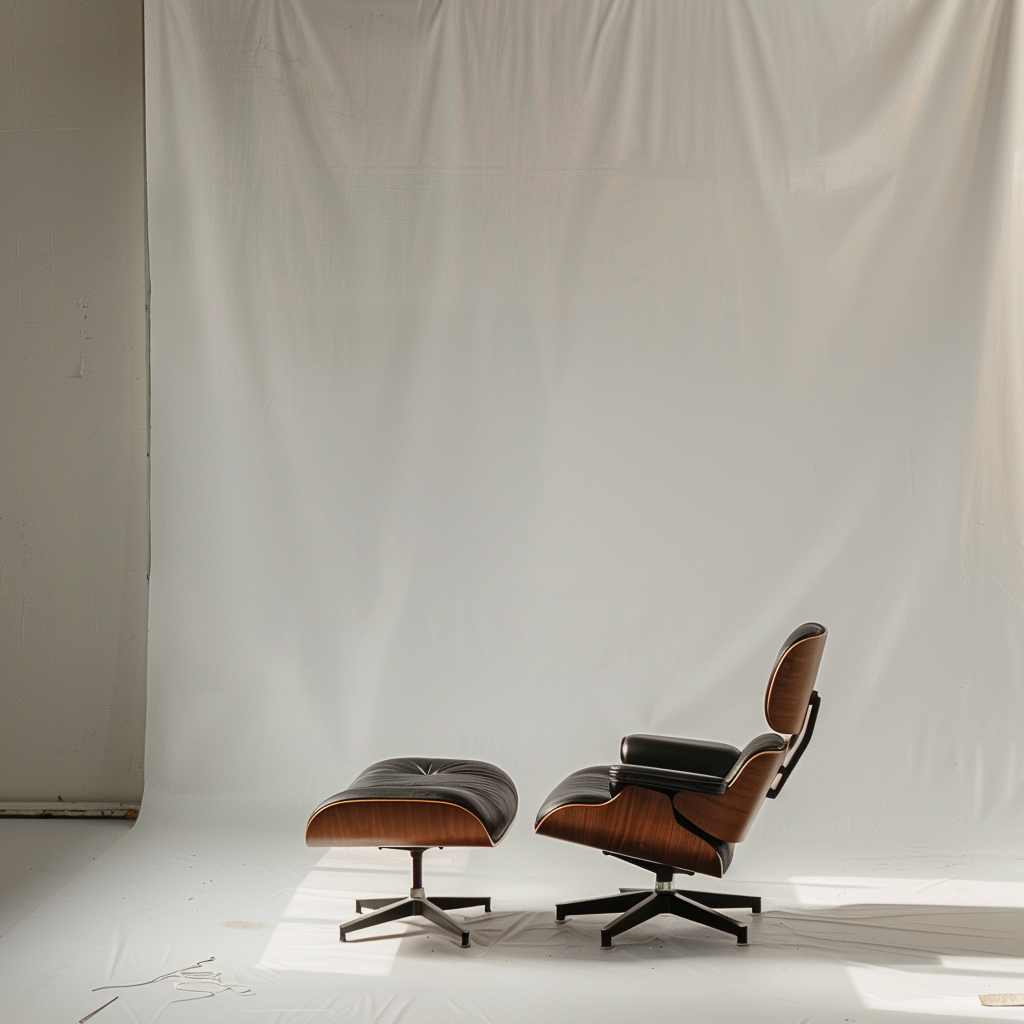
When I bought my first Eames chair years ago — secondhand, a little scratched, but still standing proud — I thought I was just buying good taste. What I didn’t realize then was that I was also buying into an idea that started over a hundred years ago. An idea born in a German school with a funny name: Bauhaus.
You can’t really be into vintage design without eventually running into Bauhaus. And once you do, you start seeing it everywhere — in the layout of your kitchen, in the legs of your sofa, even in the typefaces on the coffee tin.
But Bauhaus wasn’t about decoration. It was about rethinking everything — from how we build homes to how we live in them. And the story of how it came to be is just as radical as the furniture it inspired.
The Birth of Bauhaus
The year was 1919. Germany had just emerged from WWI, battered and uncertain, but full of creative energy. Architect Walter Gropius saw an opportunity: to unite art, design, and craft under one roof. He called the school Bauhaus — literally “building house.”
It wasn’t just about training architects or painters. It was about creating a new way to design. A world where form follows function. Where art serves life. Where even a teapot or a chair could be beautiful, affordable, and practical.
And they did it all with a sense of optimism I still find contagious. They weren’t looking backward — they were designing for a better future.

A Style (and Spirit) That Endured
Bauhaus didn’t last long. The school was closed by the Nazis in 1933, deemed too “radical.” But its influence scattered far and wide — especially when its key figures fled to the US.
Suddenly, Bauhaus ideas were everywhere:
— In the modernist buildings of America
— In the clean lines of post-war furniture
— In the layout of homes like mine
What I love about Bauhaus is that it never wanted to impress — it wanted to work. That mindset — quiet, smart, lasting — feels very aligned with Danish design values too. We don’t make furniture to dazzle. We make it to live with.
And I’ve found that the older I get, the more I crave those kinds of objects: useful, minimal, and beautifully thought through.
How Bauhaus Shows Up in My World
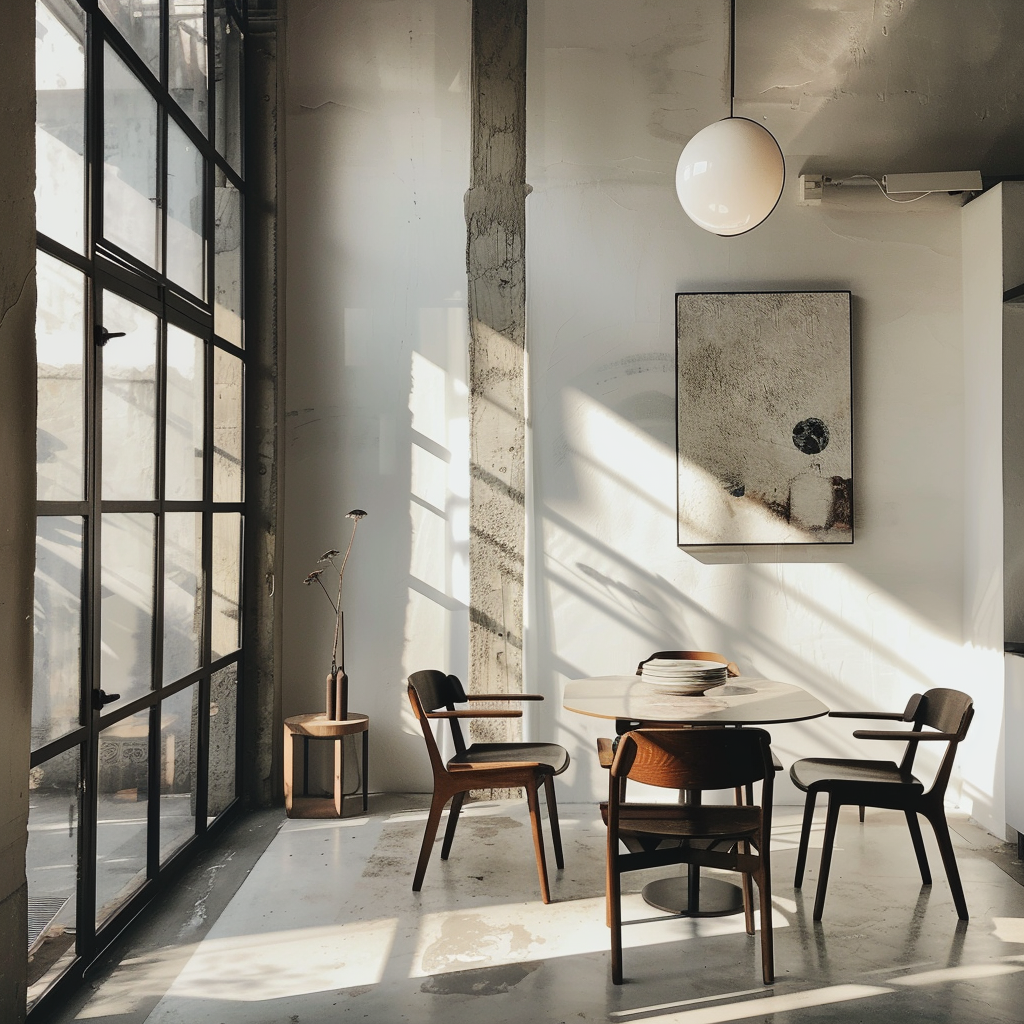
When I look around my house — our 1960s countryside home in rural Denmark — the Bauhaus fingerprints are everywhere, even if unintentionally.
Our open layout? Bauhaus.
Simple lighting, no frills? Bauhaus.
Furniture with clean lines and honest materials? Bauhaus again.
Even the way we approach refurbishment — fixing what’s worth saving, keeping what’s honest — feels rooted in that same design philosophy.
I’ve also realized my favorite Leica camera, the M11, shares that same DNA. It’s functional design at its best. Nothing wasted. Everything with purpose.
What Bauhaus Still Teaches Us
The Bauhaus wasn’t about style. It was about ethos.
That good design is democratic.
That beauty belongs in everyday objects.
That simplicity is often harder to achieve than excess.
And maybe most of all — that the world doesn’t need more clutter. It needs more clarity.
A Final Thought
When I started Vintage Minded, I didn’t plan to write about movements or manifestos. I just wanted to share my love of things that last.
But over time, I’ve realized how deeply that love is tied to the people who designed with intention. And no one did that better than the Bauhaus.
So the next time you sit in a minimalist chair or run your hand across clean wood grain, remember: someone, somewhere, believed that design could change the world. And maybe they were right.