The Case Study Houses: How Experimental Design Built Our Modern Dream
A Moment Above Los Angeles
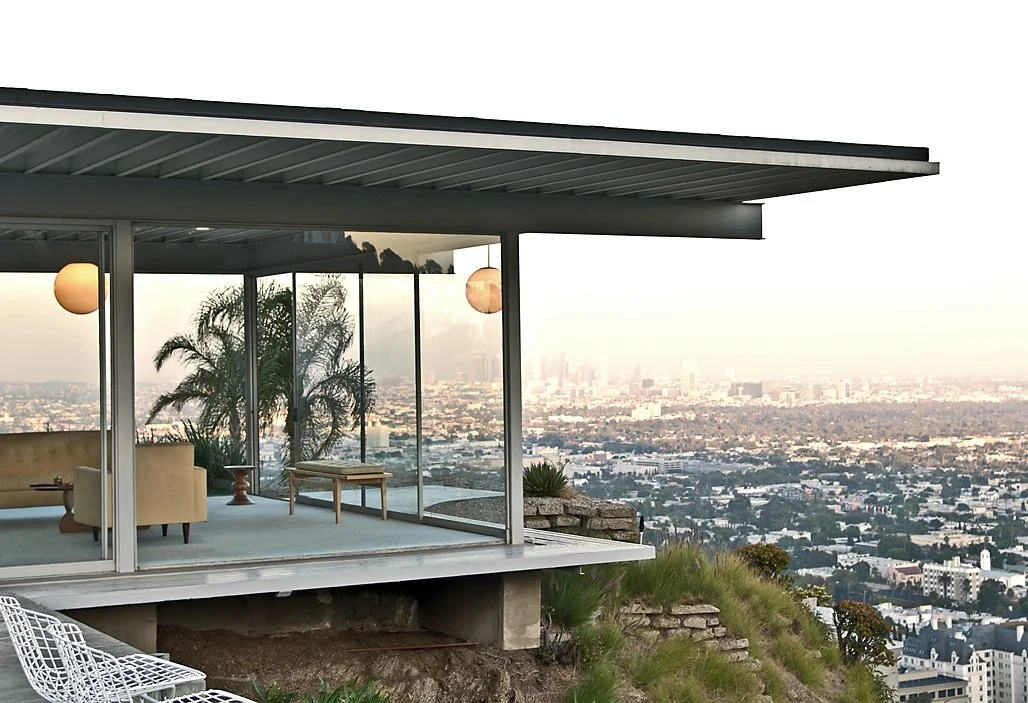
In 2005, I found myself standing outside a house I had only seen in books: Stahl House — Case Study House #22. It was late in the day, and the lights of Los Angeles were beginning to flicker to life below. The glass walls glowed like a lantern hanging above the city. Even though I couldn't go inside, I stayed there for a long time, taking it in.
Something about it felt familiar. Not because I’d been there before, but because it resonated with an idea I already loved — that homes could be light, open, and intelligent. I didn’t have the language for it yet, but the Case Study Houses would give me that.
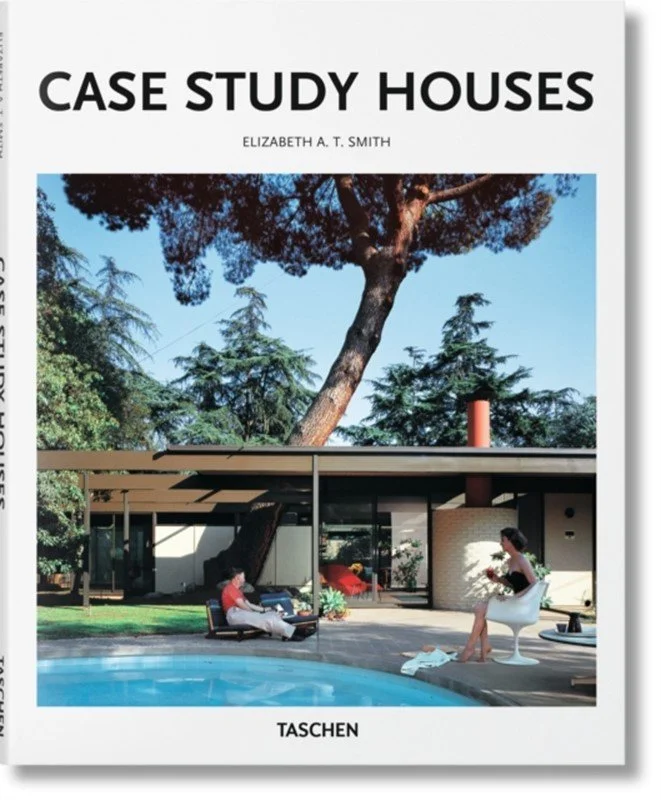
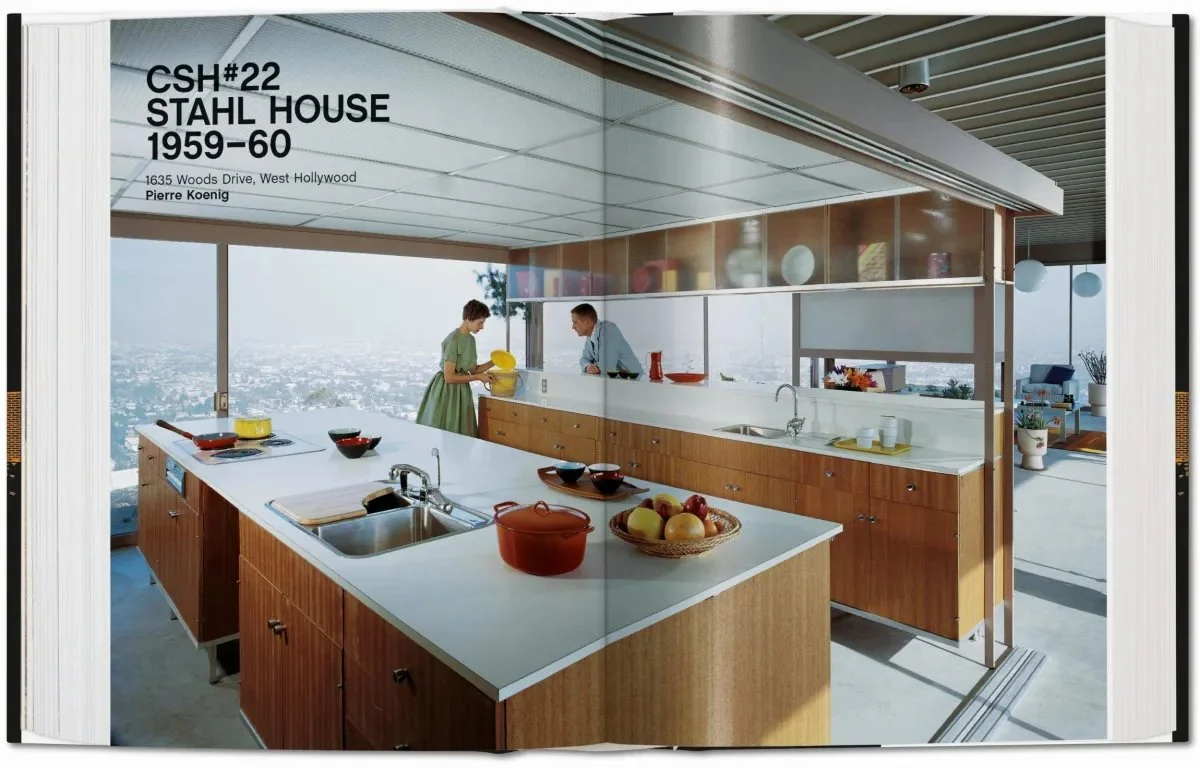
Recently, flipping through a book I bought from Taschen, I was reminded of how forward-thinking these homes were — and how much they still influence the spaces I live in, photograph, and dream about.
A Blueprint for Living Differently
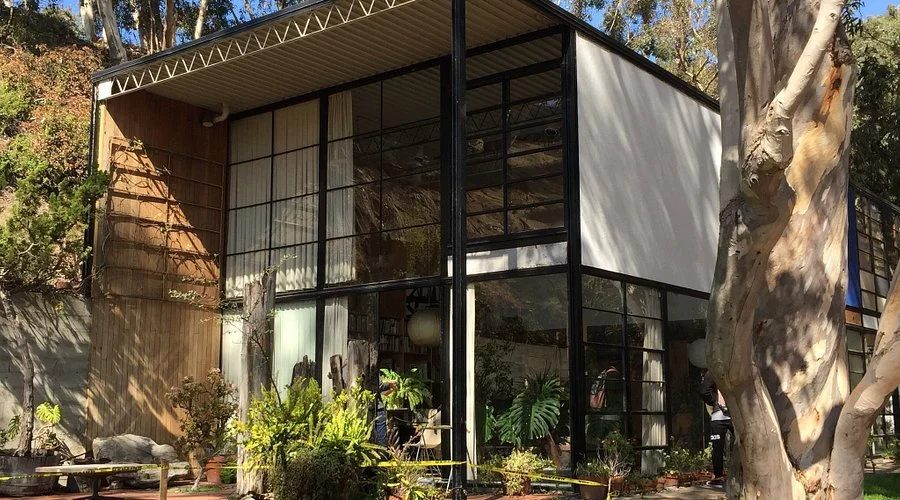
The Case Study House program began in the 1940s, just as the world was stepping out of war and into a rapidly changing future. Arts & Architecture magazine asked a group of pioneering architects to imagine how homes could be built better — not just more beautifully, but more affordably, more thoughtfully, and more in tune with a modern lifestyle.
The idea wasn’t to design for the elite. These were meant to be real homes for real families — using industrial materials like steel, concrete, and glass in elegant, liveable ways.
The results were stunning. Minimalist silhouettes, open-plan interiors, seamless connections to nature — and, more than anything, a feeling that your home wasn’t boxing you in, but setting you free.
Still Modern, Still Human
It’s easy to look at these homes now and forget how radical they were at the time. Walls of glass? Flat roofs? Exposed beams and polished concrete? To many, it was shocking. But to the people who walked inside, it just felt right.
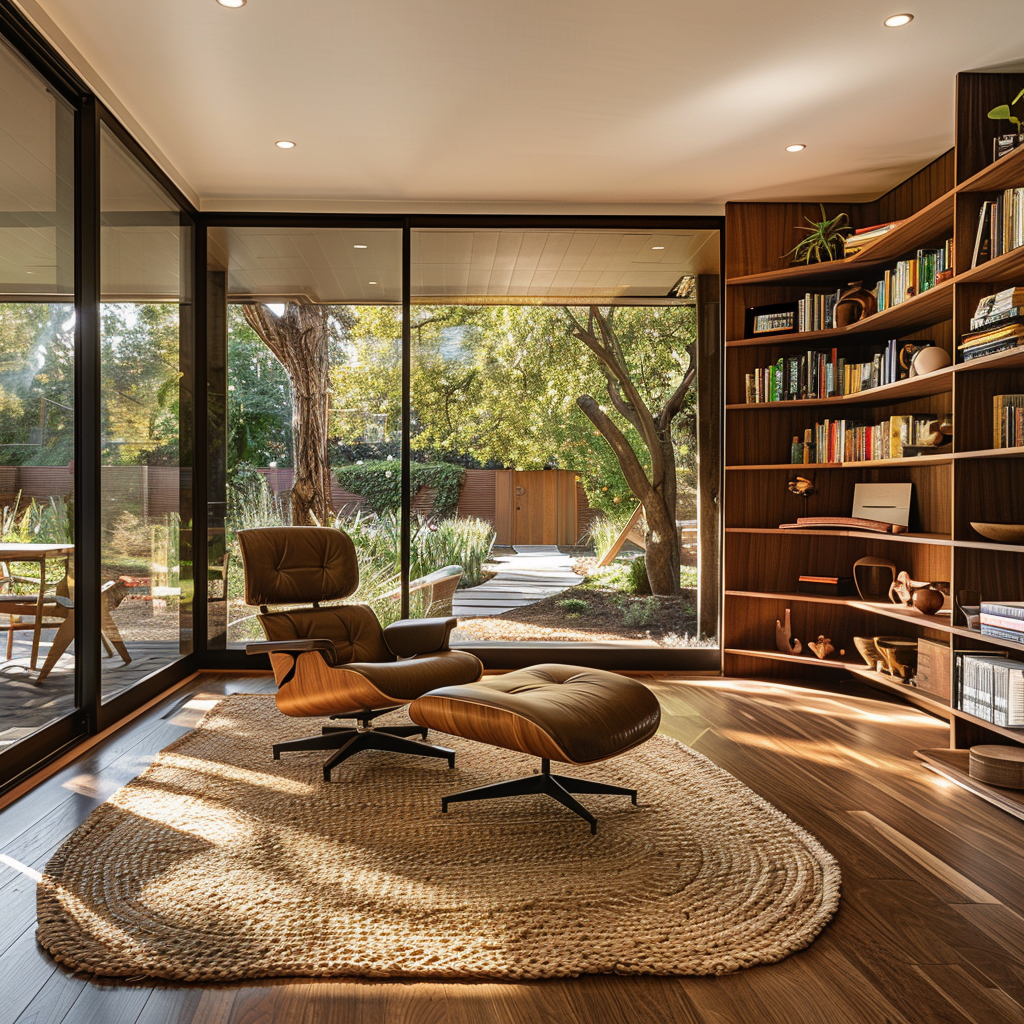
That’s still the magic. These homes don’t feel futuristic — they feel timeless. They speak to a desire for light, calm, and connection. They strip away the unnecessary and celebrate the essentials: space, light, warmth, and flow.
As someone who grew up on the Danish island of Samsø and now lives in a mid-century home I'm slowly restoring, this philosophy really hits home. Our 1960s house is modest, but filled with light and open spaces. We’re not trying to recreate a Case Study House — but somehow, their spirit made its way in.
Furniture, Form & Family Life
You can see the influence everywhere now — not just in architecture, but in how people decorate and live. When I thrift for vintage pieces or scroll through listings for old Danish furniture, I’m often drawn to designs that wouldn’t look out of place in one of those houses.
Simple wooden tables. Steel-legged chairs. Open shelves. Eames lounge chairs, of course — originally featured in one of the Case Study Houses, and now one of the most recognizable pieces of furniture ever made. My own lounge chair (a well-loved vintage find) still feels like a quiet tribute to that era.
What I’ve come to realize is this: the Case Study program wasn’t just about aesthetics. It was about making room — for conversation, for creativity, for ease.
More Than a Style
There’s a reason people are still fascinated by these homes. They weren’t designed to follow trends — they were designed to outlast them.
The Stahl House is still used in movies, ad campaigns, and fashion shoots. Its clean lines and sweeping views tell a story about possibility and calm. But what impresses me more is how lived-in it feels — not pristine, but practical. Beautiful, but never fragile.
It’s no wonder these houses are still relevant. In a time when we’re all rethinking how we live and what our spaces mean to us, their lessons feel more valuable than ever.
How I Try to Carry the Idea Forward
At home, we’ve let light be our guide. We tore down unnecessary walls. We chose furniture that didn’t block the flow. My wife (who’s a master at finding character-rich vintage pieces) brought in warm textures, worn wood, and simple forms that make the space feel more ours.
It’s not a case study home — but it’s a continuation of the idea. That homes should fit your life, not the other way around.
A Final Thought
The Case Study Houses weren’t just about building homes. They were about building a better way to live — one that was honest, modern, and profoundly human.
Sometimes I think back to that night above Los Angeles. I didn't know what to call the feeling back then, but now I do:
Good design feels like exhaling.