Scandi Vintage: The Global Appeal of Danish Modern Design
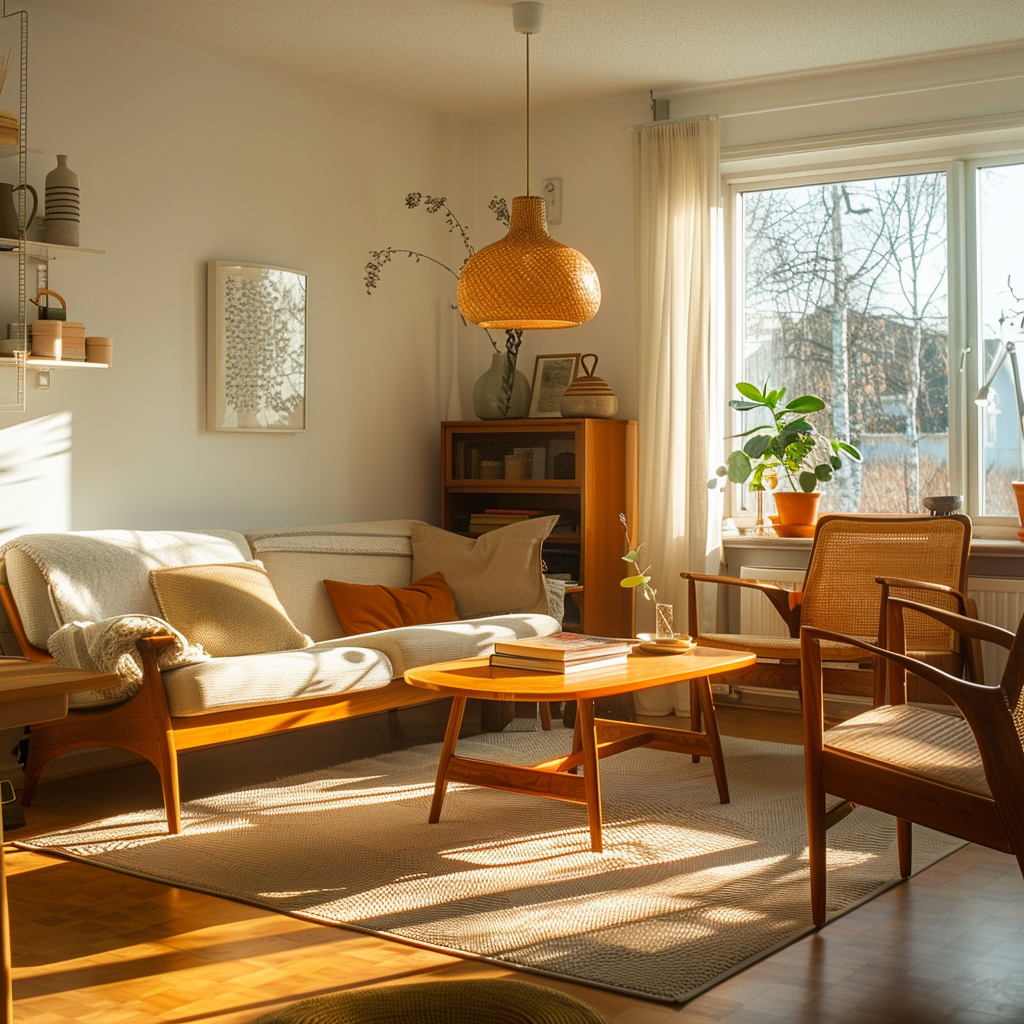
When I renovated our 1960s home in rural Denmark, I found myself drawn again and again to pieces that were simple, well-crafted, and quietly elegant. It wasn’t about chasing trends — it was about finding furniture and objects that felt honest. A teak sideboard here, a low leather chair there. I realized I was naturally curating my space in the spirit of Danish Modern design, the very style that has shaped Scandinavian homes for decades and continues to inspire interiors worldwide.
What is Danish Modern design?
Danish Modern is a mid-20th-century design movement known for its clean lines, natural materials like teak and oak, and focus on functionality and craftsmanship. Emerging after World War II, it emphasized democratic, affordable design and has since become a cornerstone of Scandinavian style and global modern interiors.
History & Origins
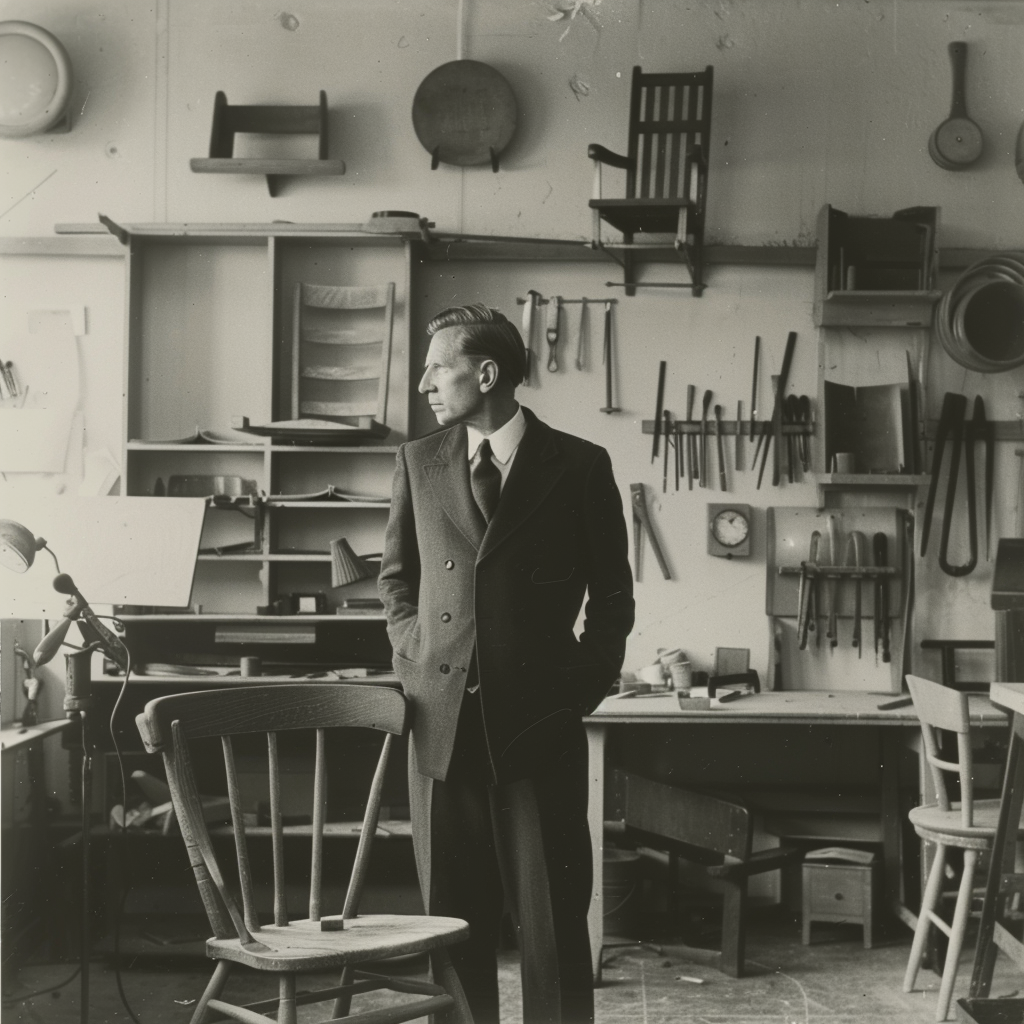
Danish Modern emerged in the 1940s and 50s as part of the broader mid-century modern wave. Denmark’s designers, including Hans Wegner, Arne Jacobsen, and Finn Juhl, redefined what furniture could be: elegant yet accessible, crafted for everyday living. Their work rejected heavy ornamentation in favor of simplicity, function, and comfort.
Materials: Local woods like teak, oak, and beech were central.
Philosophy: “Form follows function” guided every decision.
Craftsmanship: Pieces were made to last, yet they felt light and modern.
Why It Became Iconic
Danish Modern struck a chord far beyond Scandinavia. American and European households embraced the furniture for its balance of beauty and practicality. Chairs like Wegner’s Wishbone or Jacobsen’s Egg became icons, seen in homes, hotels, and even films.
Its appeal lies in timelessness: the shapes are simple, the materials natural, and the designs adaptable to different interiors — from minimalist apartments to cozy cottages.
How It Fits Today
In 2025, Danish Modern remains everywhere: in design museums, vintage shops, and Instagram feeds. Younger generations rediscover it for its sustainability — buying a secondhand Danish chair is not just stylish but environmentally conscious.
I often see parallels in my own life. When we furnished our living room, I didn’t want disposable furniture. I wanted pieces my children, Petra and her lillebror, could grow up around, that would last decades. Danish Modern gives me that: furniture that feels both ours and part of something bigger.
Tips: How to Bring Danish Modern Into Your Home
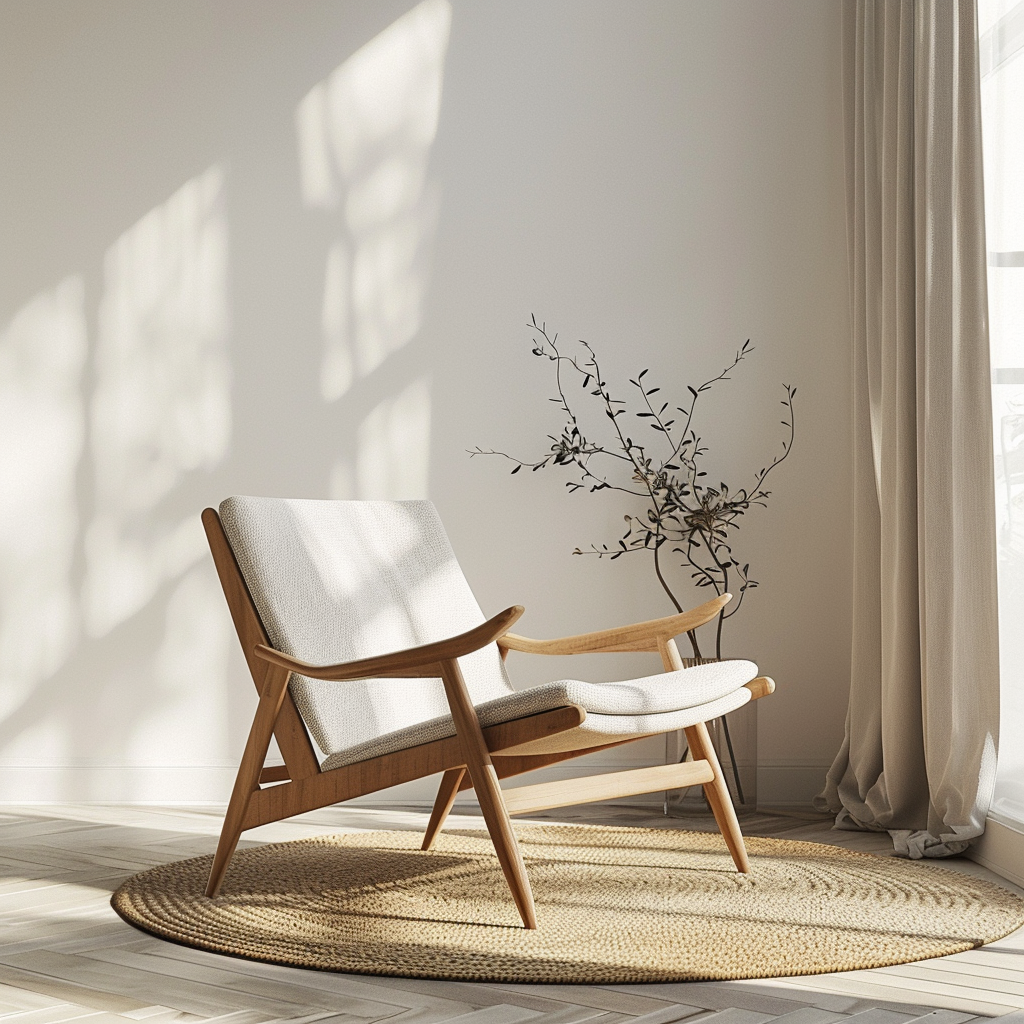
Start with one piece. A chair, a coffee table, or a lamp can anchor a room.
Mix old and new. Pair a vintage teak sideboard with modern textiles.
Look for quality. Even worn vintage pieces can be restored.
Keep it light. Danish Modern thrives in airy, uncluttered spaces.
For me, Danish Modern is more than a style — it’s a philosophy that has shaped how I see my home. It reminds me that good design doesn’t have to shout. It can whisper, quietly, through wood grain, balance, and craftsmanship. And sometimes, those whispers last a lifetime.