The Story of the Chesterfield Sofa: From Gentleman’s Clubs to Modern Lofts
I still remember the first time I sank into a Chesterfield sofa. It was in an old Copenhagen hotel lobby — leather polished by decades of use, cushions softened by countless guests. It wasn’t just a seat; it felt like stepping into a piece of history. Today, I think about that sofa often when I see how effortlessly the Chesterfield has adapted from smoky gentlemen’s clubs to the airy, modern lofts we scroll past on Instagram.
What is a Chesterfield sofa?
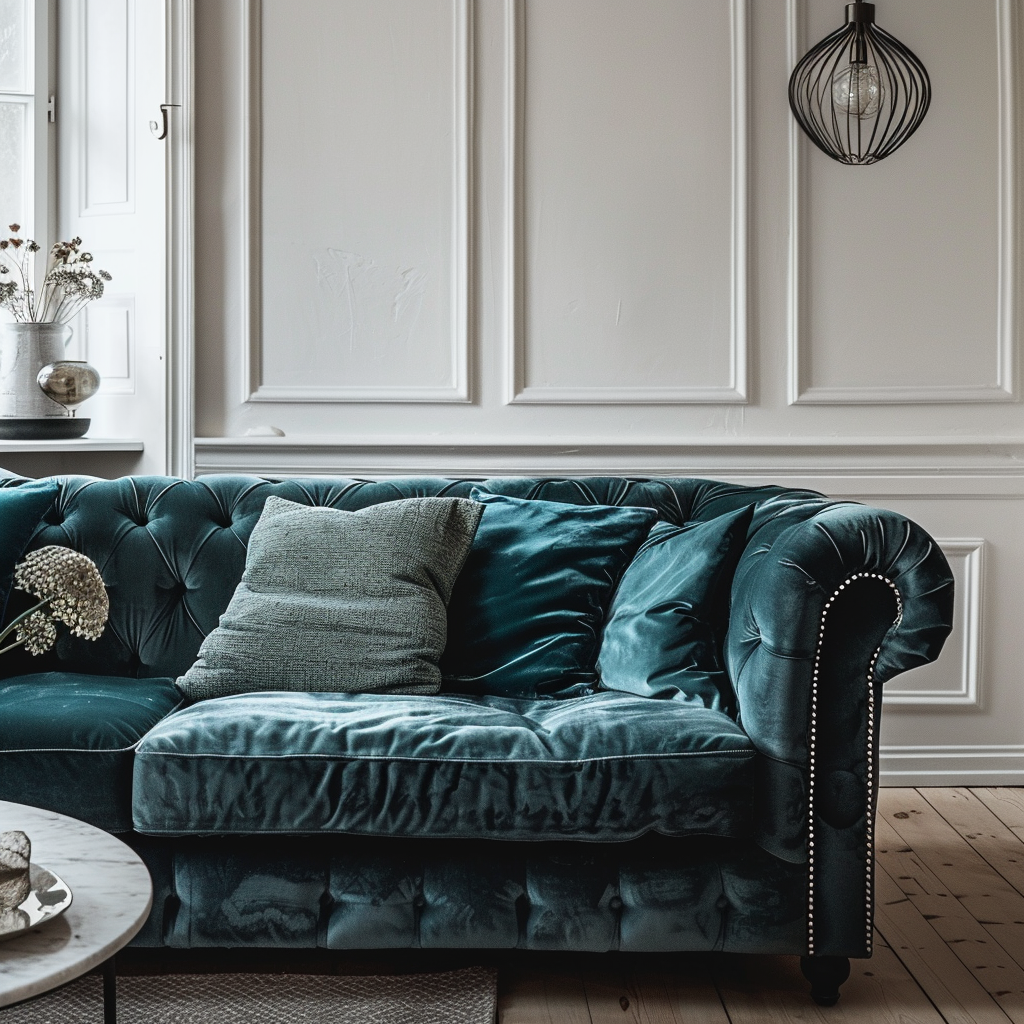
A Chesterfield sofa is a classic design defined by deep button tufting, rolled arms, and equal back and arm height. Originating in 18th-century England, it became a symbol of elegance in gentlemen’s clubs and remains iconic today in both traditional and modern interiors.
History & Origins
The Chesterfield’s story begins in 18th-century England, often credited to Lord Philip Stanhope, the 4th Earl of Chesterfield, who wanted a sofa that allowed men to sit comfortably without wrinkling their suits. Over the centuries, the design became synonymous with status and tradition, appearing in private clubs, libraries, and formal parlors.
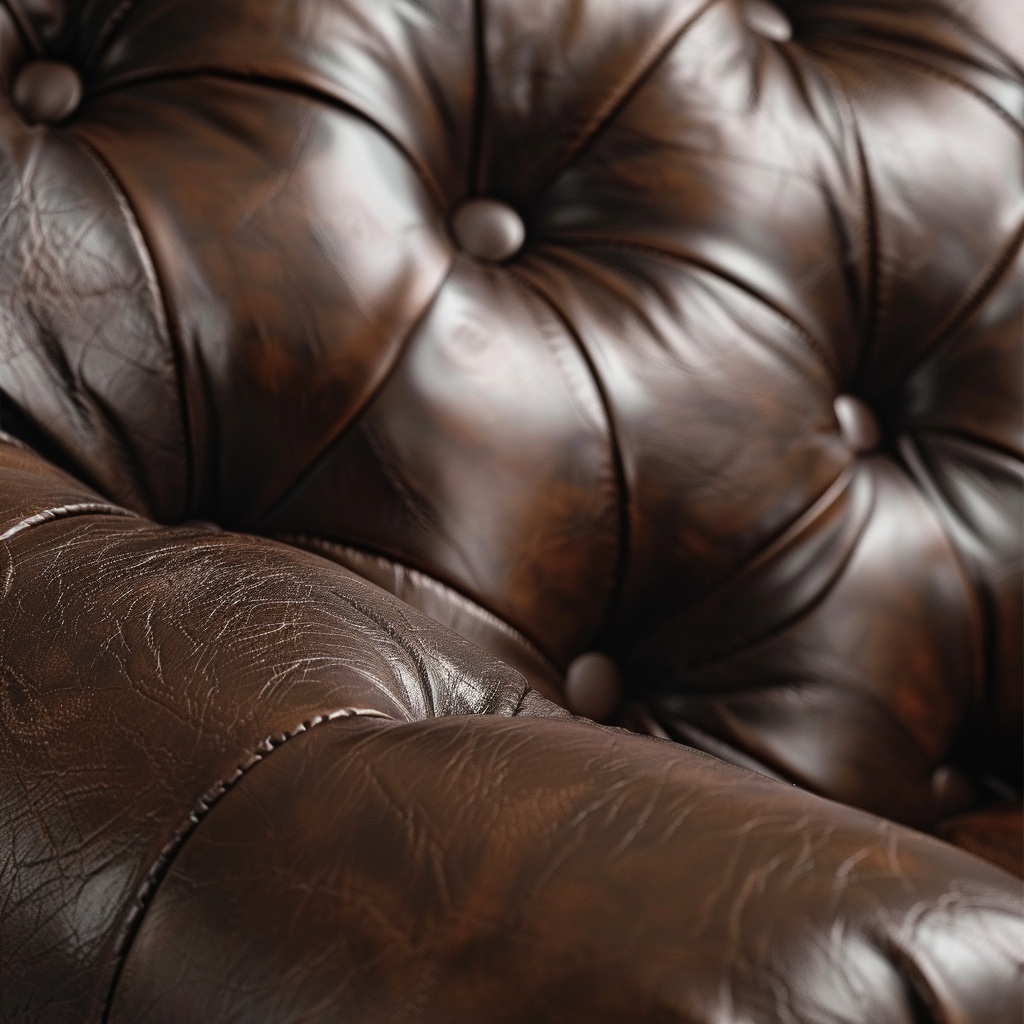
It wasn’t just the look that made it iconic — it was the craftsmanship. Deep button tufting, durable leather, and precise tailoring meant these sofas could last generations. Many still do.
Why It Became Iconic
The Chesterfield isn’t just a piece of furniture; it’s a cultural symbol. Think of Victorian novels where gentlemen recline on leather cushions, or film sets where power and wealth are telegraphed by the presence of a Chesterfield in the background.
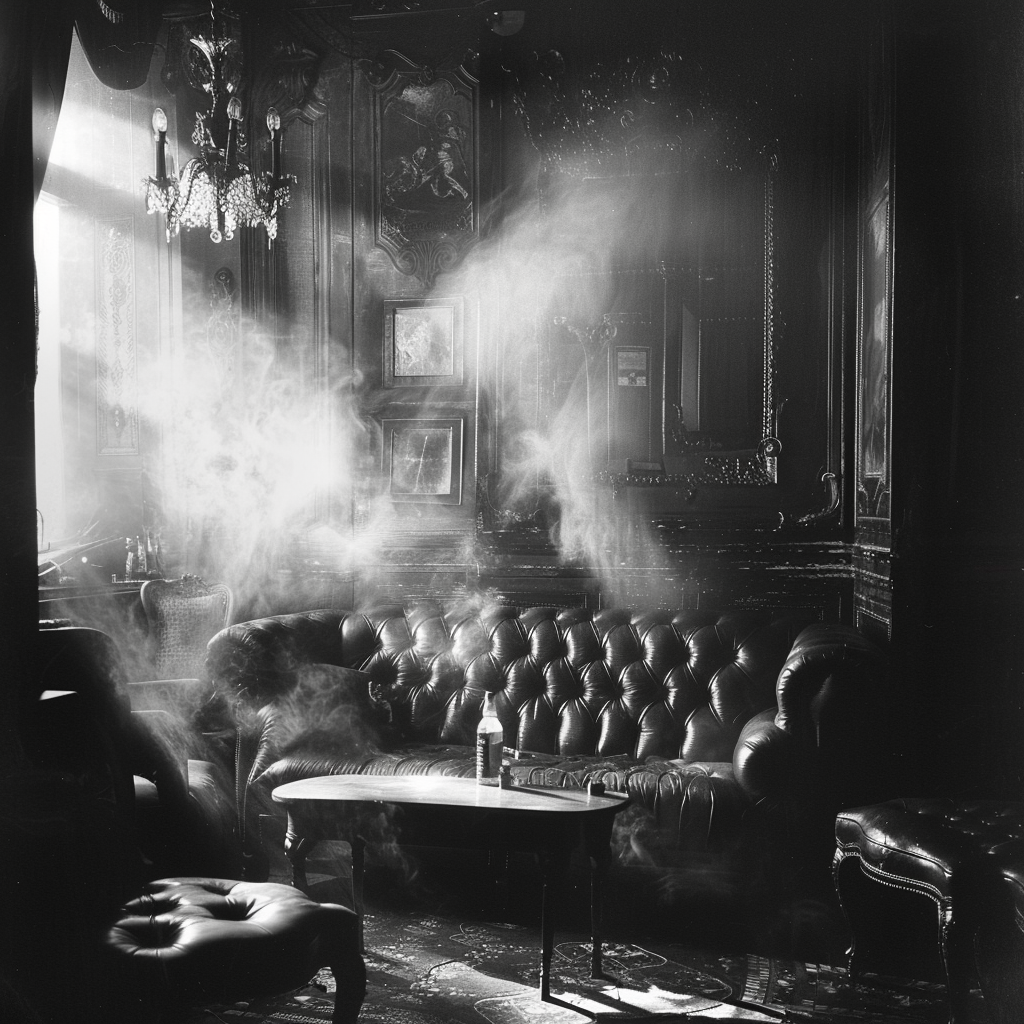
But what makes it truly timeless is its adaptability. While it started as the centerpiece of smoky, exclusive clubs, it has since found its way into every kind of space: eclectic artist lofts, minimalist apartments, even modern family living rooms. It’s a design that never feels out of place.
How It Fits Today
In 2025, the Chesterfield has shed some of its stiff formality. We see it in bold fabrics, jewel-tone velvets, or even in lighter linen versions that soften its presence. What hasn’t changed is the way it commands attention — it’s still a sofa that makes a statement.
Personally, I like how it bridges old and new. For someone like me, who loves mid-century modern simplicity, a Chesterfield might seem too ornate. But place it against clean Scandinavian lines, and suddenly it becomes the warm anchor of the room. It’s proof that vintage design isn’t about recreating the past; it’s about letting history breathe in the present.
Tips: Bringing a Chesterfield Into Your Home
The beauty of the Chesterfield is that it adapts. If you’re considering one:
Go with classic leather if you want a piece that grows richer with age.
Try velvet or linen for a softer, more contemporary twist.
Let it stand alone — don’t overcrowd it with other statement pieces.
Pair it with modern surroundings for a striking contrast.
For me, the Chesterfield sofa represents everything I love about vintage design. It’s comfortable, it’s storied, and it carries with it the weight of generations who sat before us. Whether in an old hotel lobby or a sunlit living room, it feels like a reminder that true design doesn’t fade — it evolves.