Why Watches Still Matter: A Personal Journey Through Icons, History, and Hype
My first “real” watch was a 1994 Rolex Submariner. I loved it. The weight, the precision, the way it felt like more than just an object on my wrist. Looking back, one of my biggest regrets is selling it. I was young, money was tight, and at the time it felt like the sensible thing to do. But like all great watches, it wasn’t just about telling time — it was about what it represented.
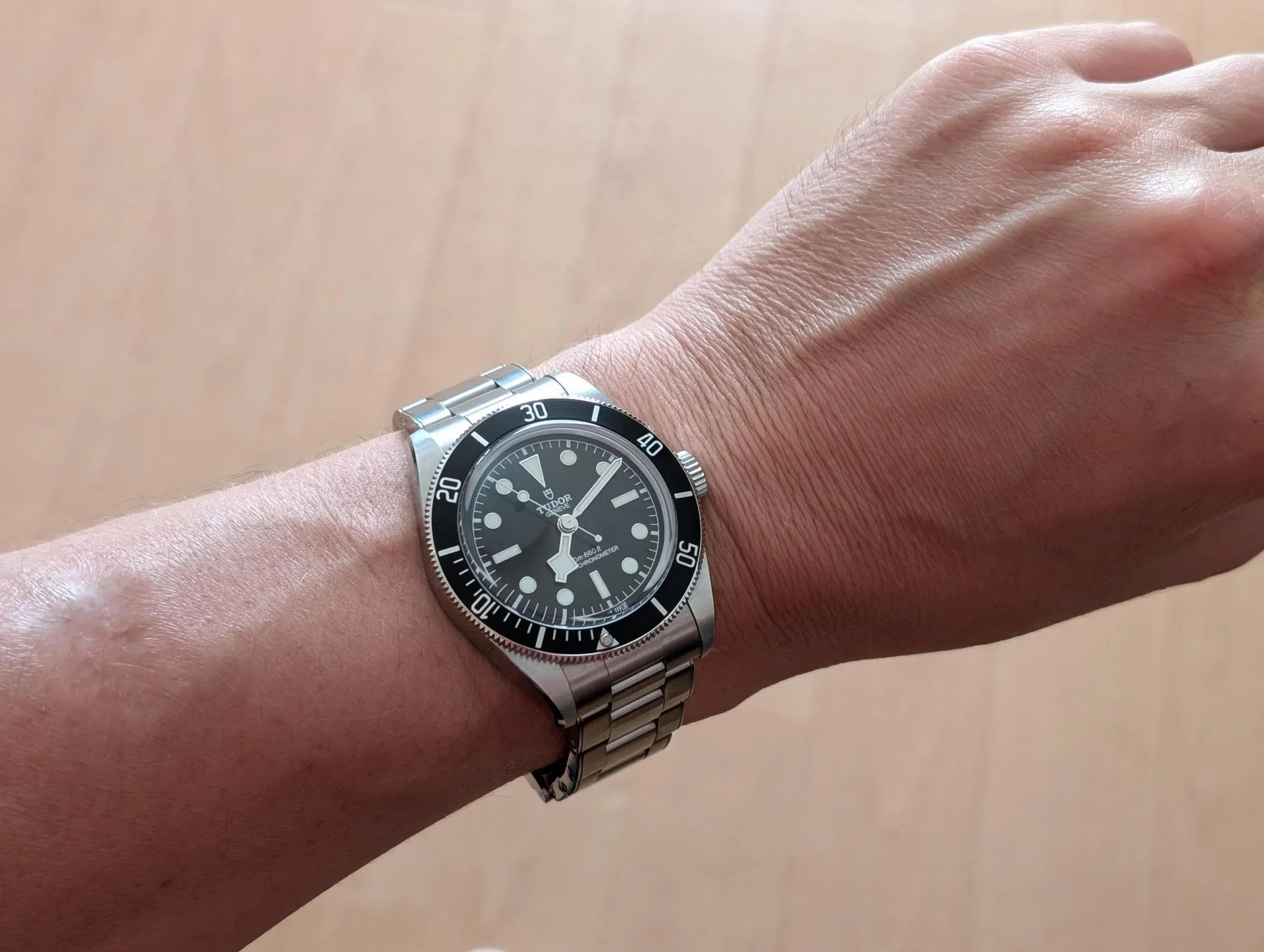
Since then, I’ve lived with a few other icons. The Omega Speedmaster Moonwatch. The strange, beautiful Reduced version in gold (which broke, and was nearly impossible to repair — apparently only two people in Denmark can fix them). A Rolex Datejust 41, which I eventually sold because it wasn’t the one with the fluted bezel I really wanted. And most recently, the 2025 Tudor Black Bay 41 Monochrome, a watch I genuinely enjoy and hope to keep for a long time.
Through all of these, I’ve come to realize that watches are about far more than utility. They’re about history, culture, and even economics. And in 2025, they say as much about society as they do about time itself.
Why are luxury watches so hard to buy in 2025?
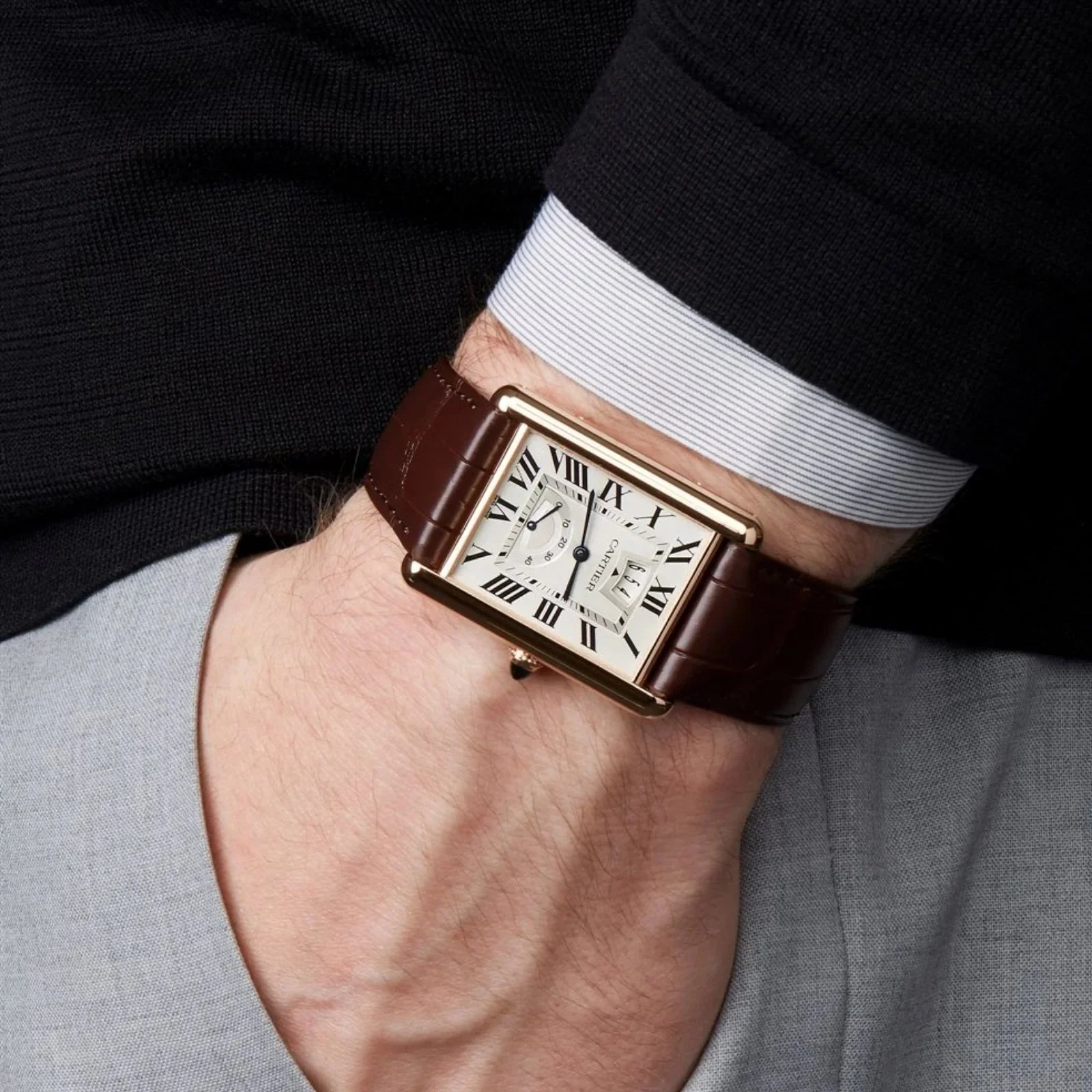
Luxury watches from brands like Rolex, Omega, and Patek Philippe are hard to buy because demand far exceeds supply. Limited production, strong secondhand markets, and brand strategies that prioritize exclusivity have driven prices up since the COVID era. This makes watches not just tools, but cultural and financial symbols.
A Brief History of Iconic Watches
Wristwatches became popular in the early 20th century, moving from pocket watches to wrist-worn tools during World War I. By the mid-century, they weren’t just tools — they were design icons.
Rolex Submariner (1953): The ultimate diver’s watch, blending ruggedness with elegance.
Omega Speedmaster (1957): Famously worn on the moon, it remains one of the most storied watches of all time.
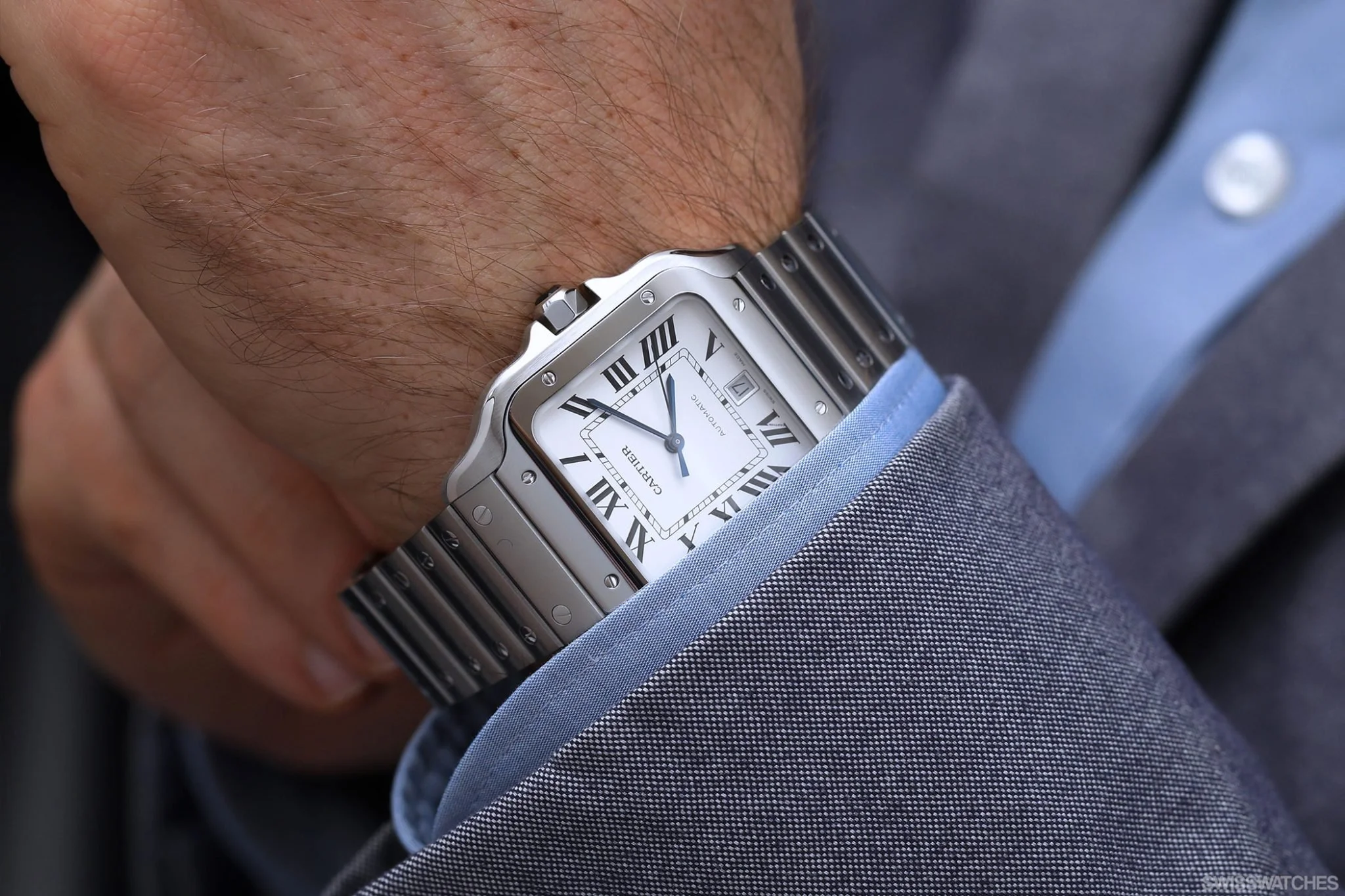
Cartier Santos (1904): Designed for aviation pioneer Alberto Santos-Dumont, one of the first men’s wristwatches.
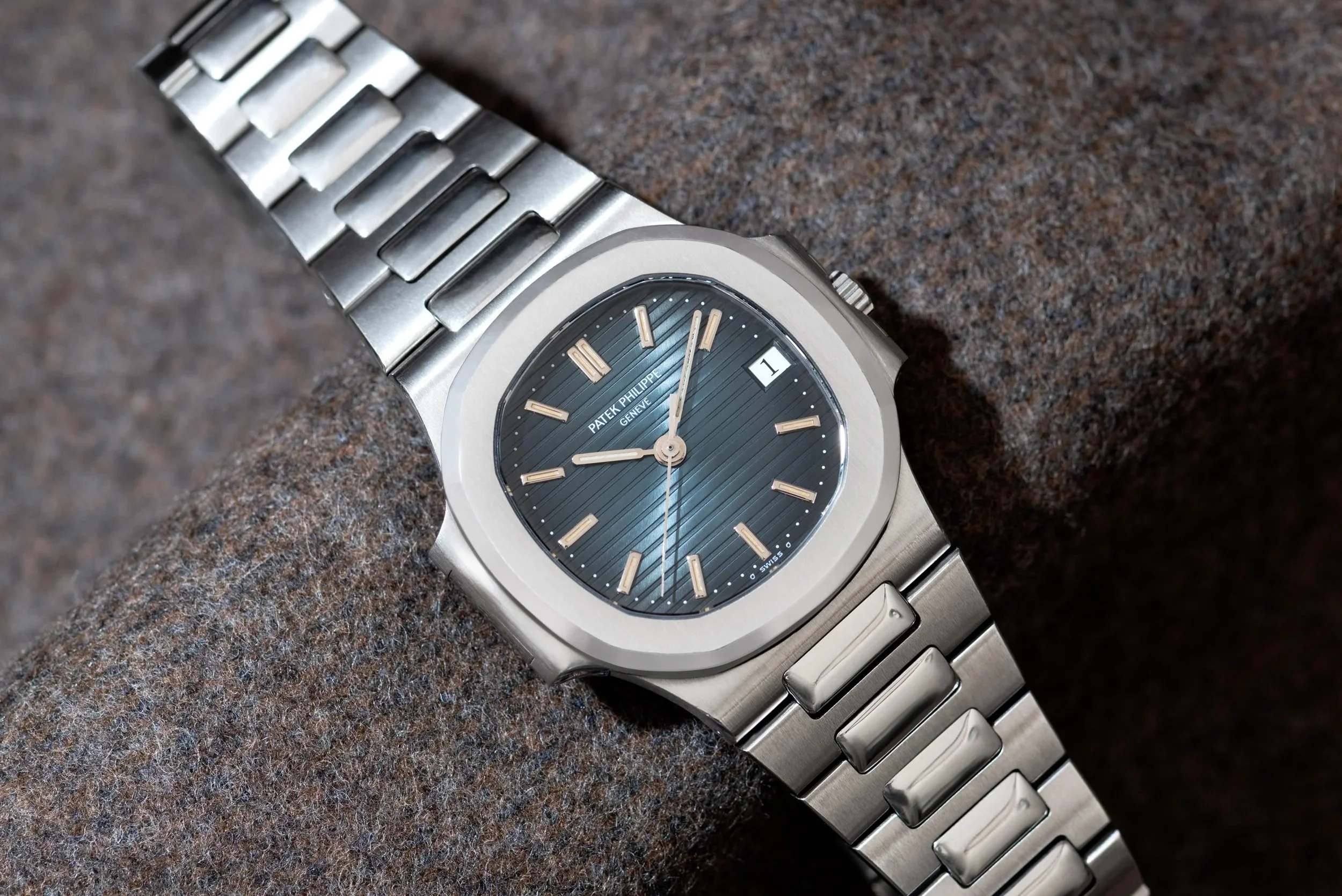
Patek Philippe Nautilus (1976): Gérald Genta’s masterpiece, redefining luxury sports watches.
Panerai Luminor: A bold design born out of military function, now beloved by collectors.
These watches weren’t meant as luxury statements — they were tools. That practicality is part of what makes them timeless.
The COVID Price Surge
During the COVID-19 pandemic, watch prices skyrocketed. Lockdowns and supply chain issues tightened availability, while people with disposable income looked for safe assets. Rolexes and Omegas, once attainable (if not cheap), suddenly doubled or tripled in price on the secondhand market.
By 2025, prices have softened slightly but remain high. For many, watches like the Submariner or Daytona are no longer about craftsmanship — they’ve become speculative assets, traded like stocks. And that has changed how we relate to them.
The Rolex Problem: Scarcity by Design
One of the most frustrating things for collectors is that Rolex could produce more watches. Demand is enormous; they could easily sell them. But Rolex is famously cautious. They keep production steady to maintain quality, control distribution, and — whether intentionally or not — create an aura of scarcity that keeps demand sky-high.
Try walking into a Rolex boutique today. Chances are, you won’t walk out with a Submariner or a Daytona. Instead, you’re met with waiting lists, vague promises, and display cases filled with “exhibition only” models you can’t actually buy.
It’s a paradox: Rolex doesn’t sell to everyone who wants one, but that’s precisely why everyone wants one.
My Watch Journey in Context
Looking back at my own watches, I can trace not just my personal style but also the cultural shifts of the market.
The Submariner I let go of represents a time when Rolexes were aspirational but attainable.
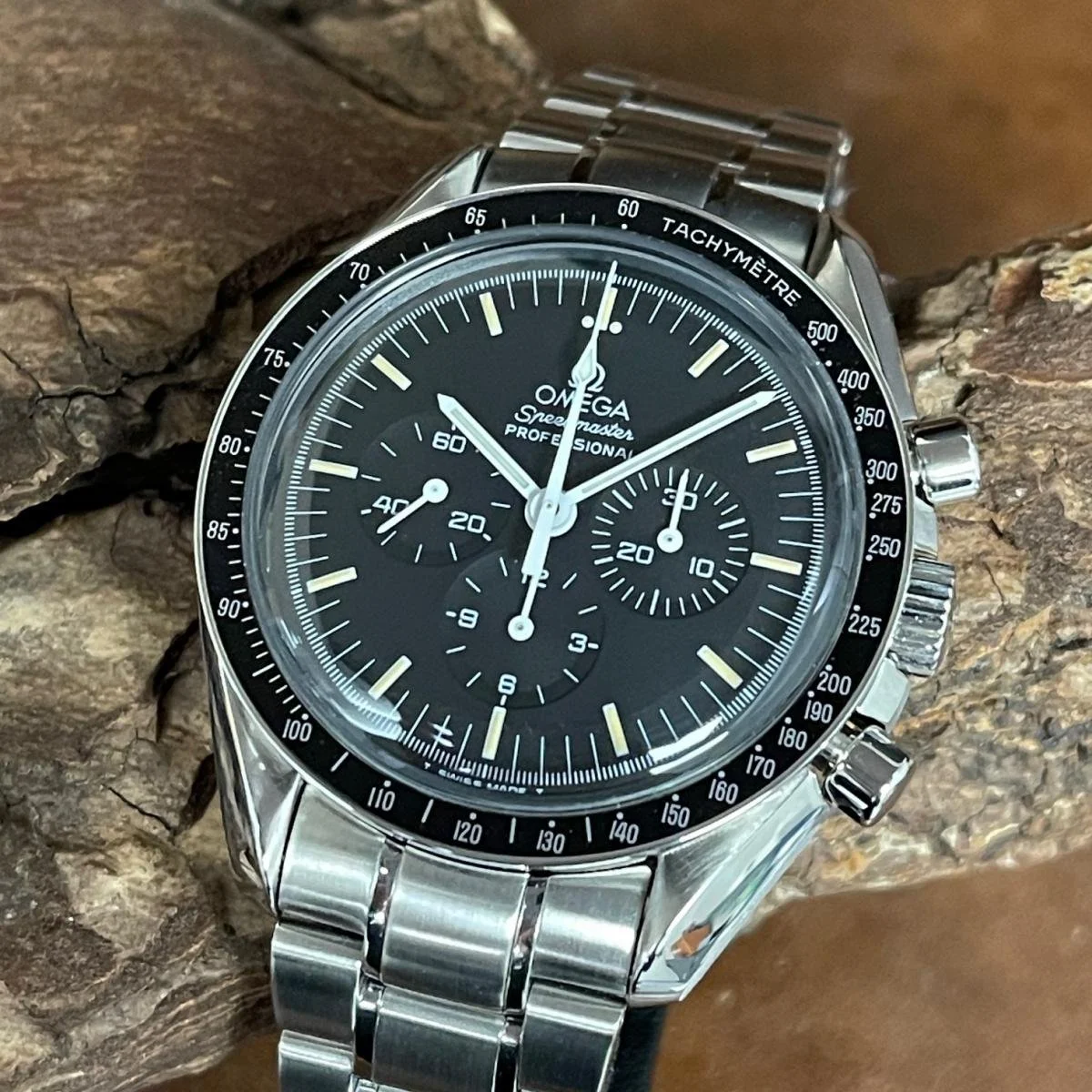
The Omega Speedmaster was my bridge to history — the Moonwatch is still one of the most romantic watches ever made.
The Datejust 41 taught me that details (like a fluted bezel) matter more than most people think.
The Tudor Black Bay 41 Monochrome is where I am now — still connected to the Rolex heritage, but in a watch that feels fresh, modern, and realistic in today’s market.
What frustrates me is how collecting has changed. Once, it was about appreciation. Now, too often, it’s about speculation.
Where Watches Go From Here
Watches have always been paradoxical. They’re tools that outlived their function. They’re symbols of wealth and also deeply personal objects. In 2025, they’re more complicated than ever:
Exclusivity fuels desire. Scarcity makes them cultural currency.
The secondhand market dominates. Many collectors never buy retail.
Design still matters. Despite the hype, the Nautilus, Daytona, and Luminor remain loved for their shapes, not just their prices.
Personally, I believe we’re heading toward a balance. Prices may never return to pre-COVID levels, but as hype cools, appreciation for design and history might rise again. For me, that’s what makes wearing my Tudor Black Bay satisfying: it’s a reminder that watches are about more than flexing wealth — they’re about stories, craft, and connection.
When I think back to my Submariner, I don’t just think of the watch I lost — I think of the lesson it taught me. Watches are more than objects. They’re time capsules. They remind us where we’ve been, and they carry us into where we’re going. And whether it’s a Cartier, a Patek, or a humble Tudor, the true value of a watch isn’t in its scarcity or its price — it’s in the moments it measures.