Kid-Friendly Fashion & Mini Vintage Style
How secondhand kids-wear became Denmark’s chicest parenting move.
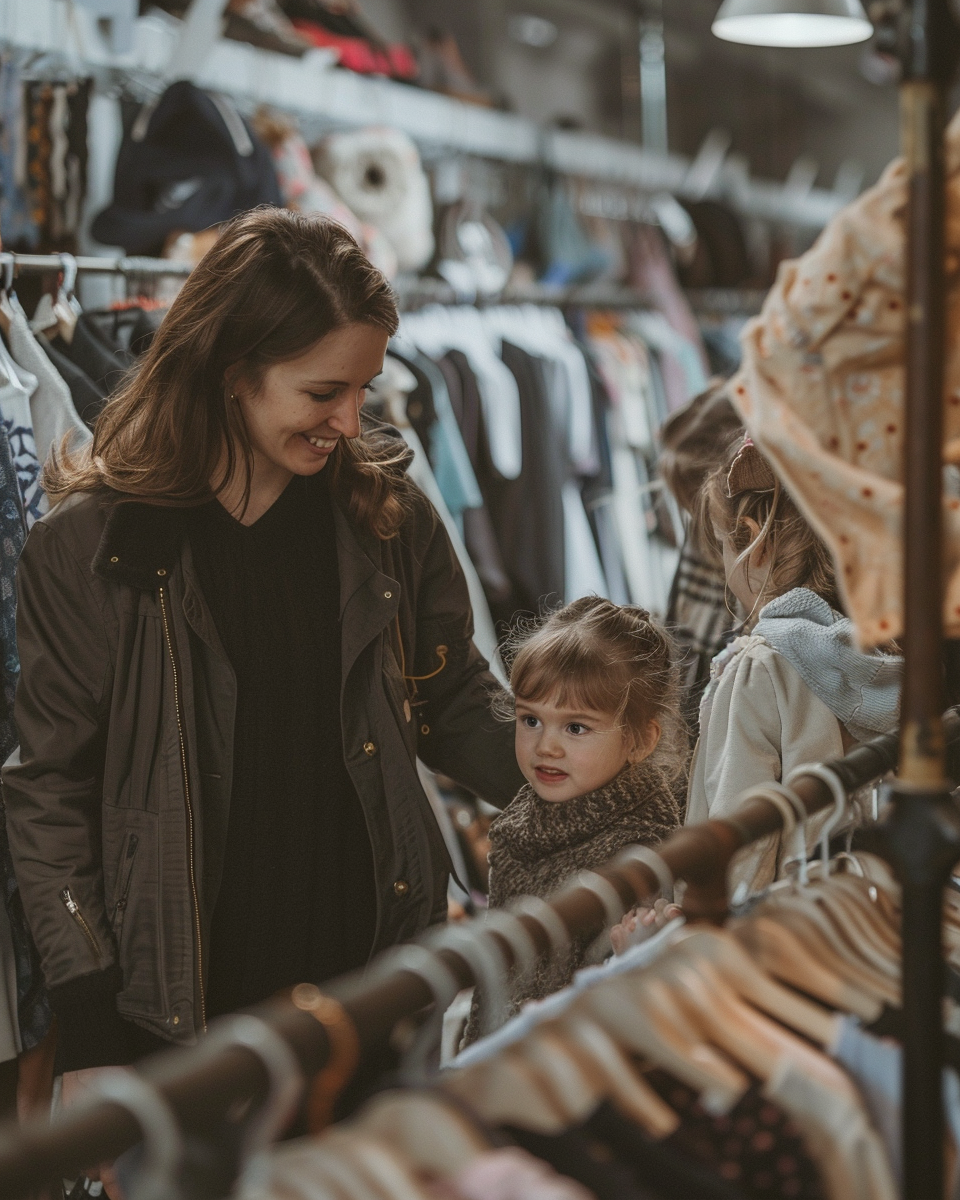
When my wife first rented a stall at Loppebørn Deluxe — one of our favorite local secondhand markets — I didn’t think much of it. Just another clever way to make room for the next size of clothes and baby gear. But soon I realized: we were part of something bigger.
In Denmark, secondhand kidswear isn’t just about saving money. It’s a full-blown lifestyle shift — and one I’ve completely embraced.
A Secondhand Revolution
From Børneloppen to Reshopper, the popularity of vintage and secondhand marketplaces has exploded across the country. Parents are renting stalls, setting up mobile shops, swapping online, and trading like pros. And why not? Kids grow so quickly that most of their clothes barely get worn. It’s become totally normal — even expected — to pass those sweet little outfits on to the next family in line.
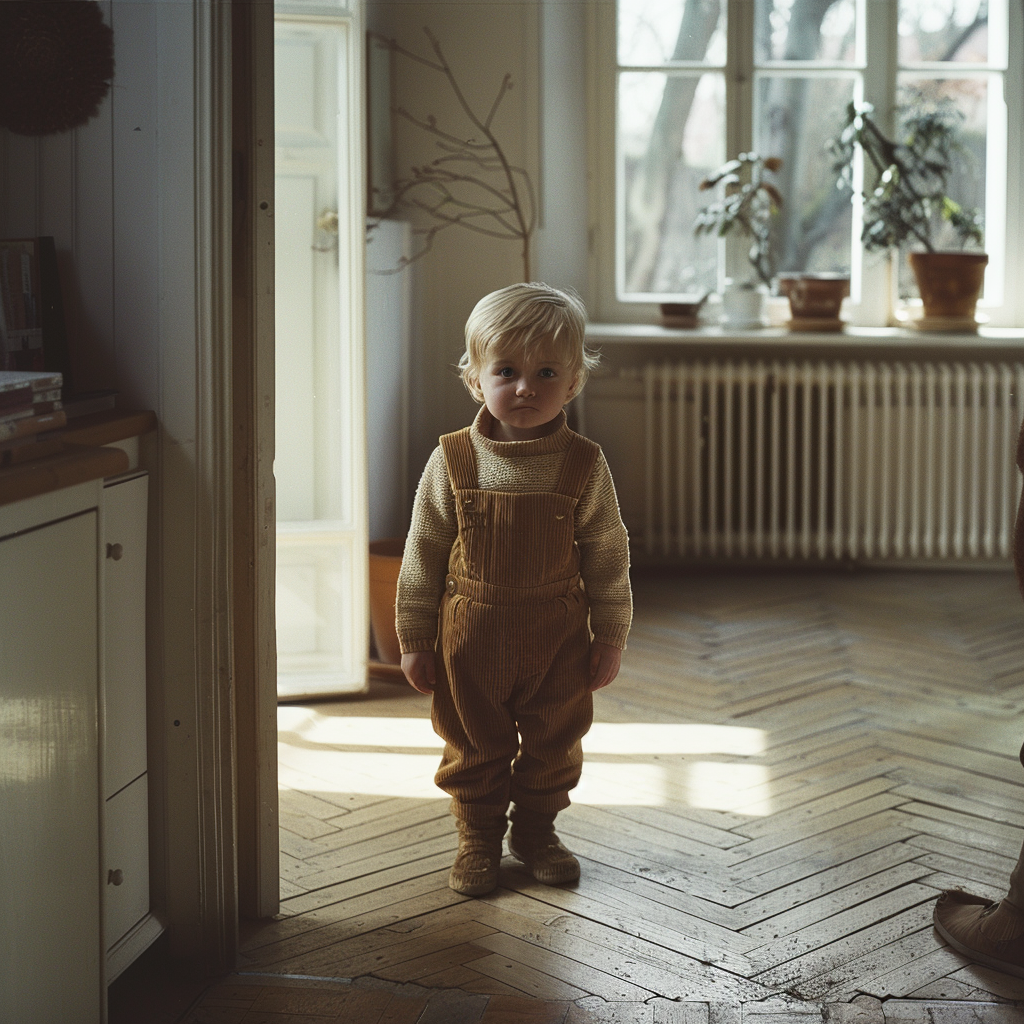
My wife and I buy about 90% of what we need secondhand. Tiny wool sweaters, soft muslin rompers, vintage corduroy overalls — all found in nearly-new condition, and usually for a fraction of the original price. And if we’re lucky, something timeless that feels more heirloom than hand-me-down.
Goodbye Stigma
I still remember when secondhand clothing felt like a “lesser” option. That stigma? It’s completely gone. In fact, in our little town, it almost feels strange not to shop secondhand. It’s sustainable. It’s smart. And let’s be honest — kids look cooler in vintage.
There’s something comforting about seeing your child in a sweater that once belonged to another child. It’s soft. It’s broken in. It has stories.
Curating Style From Day One
Just like grown-up fashion, kids’ style can be thoughtful. With secondhand options, you can build a wardrobe that mixes playful colors, retro fabrics, and durable classics — all without falling into the trap of overconsumption.
My daughter’s wardrobe is a blend of earthy tones, soft knits, and practical playwear. Some pieces feel almost poetic. A little brown linen dress that somehow survived two other kids. A navy wool coat with oversized buttons. Things that look like they came out of a Wes Anderson film, but cost 25 DKK.
Beyond the Clothes
This movement isn’t just about fashion. It’s about community. When you sell through Børneloppen or chat with another parent on Reshopper, you realize how much care people put into passing things on. The advice. The memories. The well-washed comfort.
You’re not just buying a garment — you’re joining a circular chain of care.
Final Thoughts
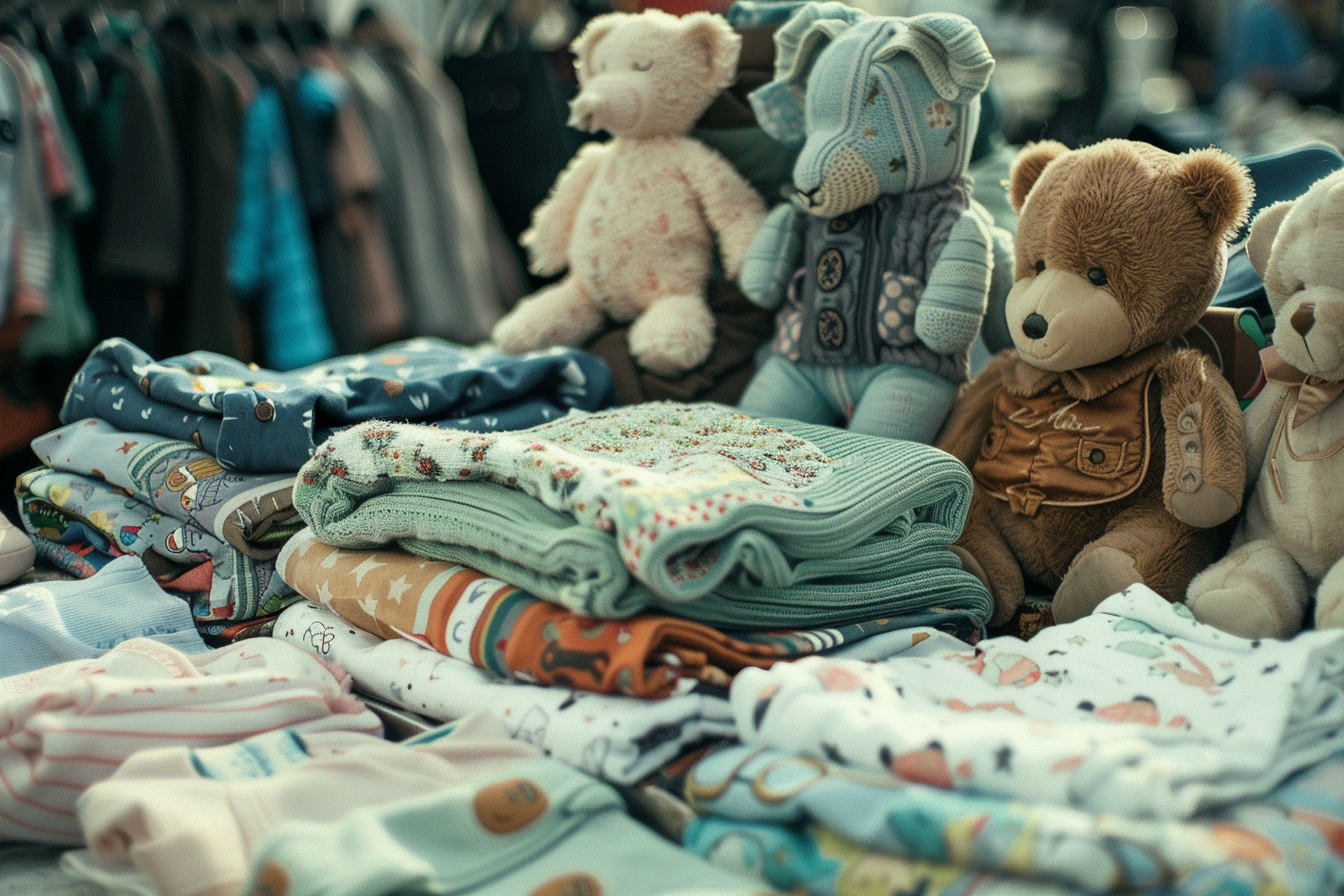
This vintage mindset has started to influence how I see all things in our home. Our house is full of pieces that tell stories — why shouldn’t our kids’ wardrobes be the same?
Plus, it’s satisfying to know that we’re making sustainable choices without compromising on quality or style.
So if you’re a new parent, or just knee-deep in baby socks like me, here’s my advice: embrace the pre-loved. Your kids will look great. Your wallet will thank you. And you’ll be part of a movement that actually makes sense.