Vintage Furniture Resale Tips: How to Spot Quality on a Budget
There’s something incredibly rewarding about discovering a beautiful piece of vintage furniture in a dusty corner of a thrift store or on page 5 of a Facebook Marketplace scroll. As someone who’s spent years digging through Danish flea markets and small-town resale shops, I’ve learned the difference between a lucky find… and a future regret.
Whether you're looking for a teak sideboard, a mid-century lounge chair, or a quirky lamp with charm, here’s what I’ve learned from trial, error, and a few too many “well, it looked better online” moments.
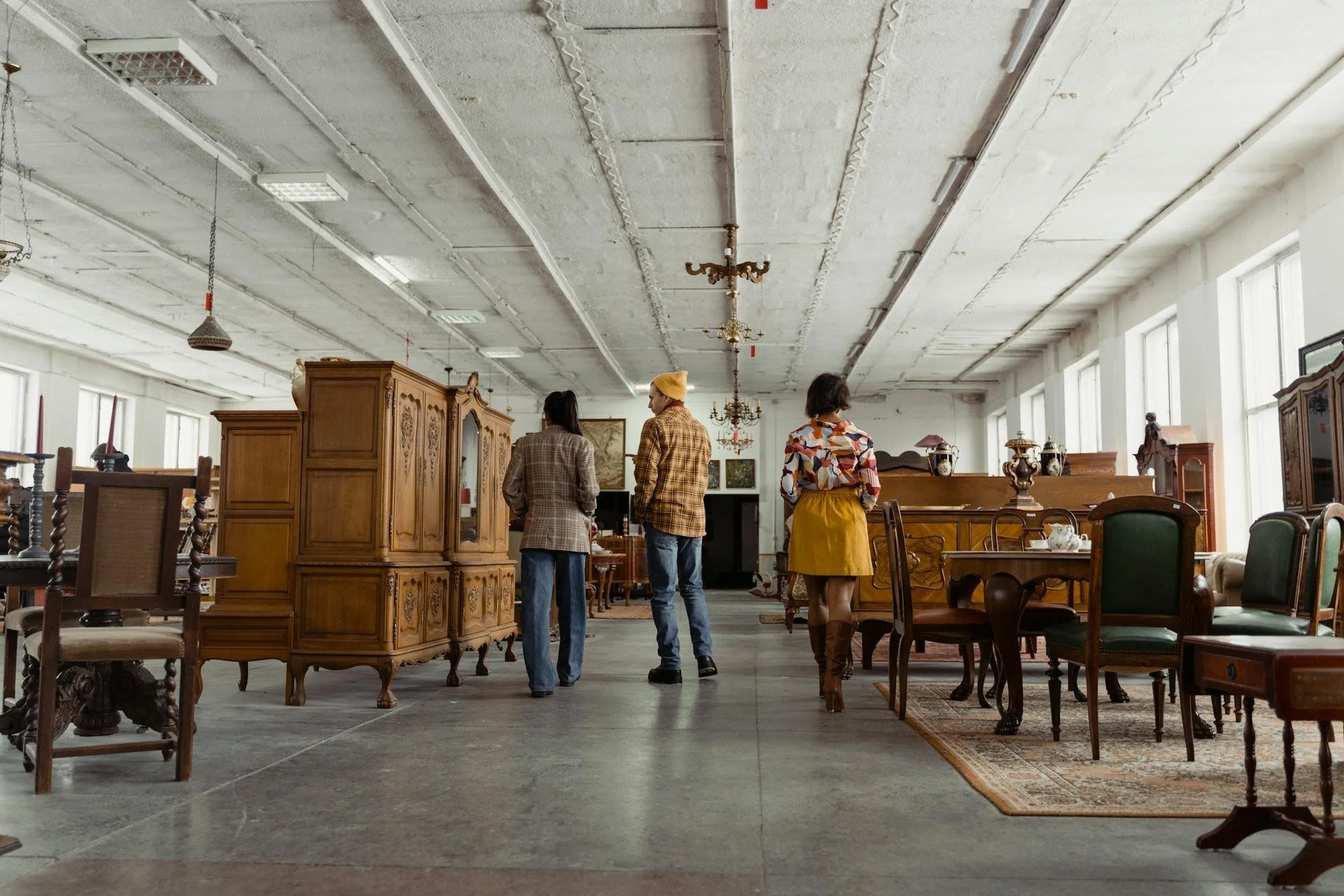
Photo: Goodwill Thrift Store
Look for Real Wood and Construction Details
Solid wood is a sign of quality — not particleboard or veneer-on-MDF. Flip things over. Check for:
Dovetail joints on drawers
Wood grain that wraps around edges
Signs of hand craftsmanship vs. factory shortcuts
If it feels heavy, sturdy, and has some aging to the finish — chances are it’s the real deal.
Check for Fixability, Not Perfection
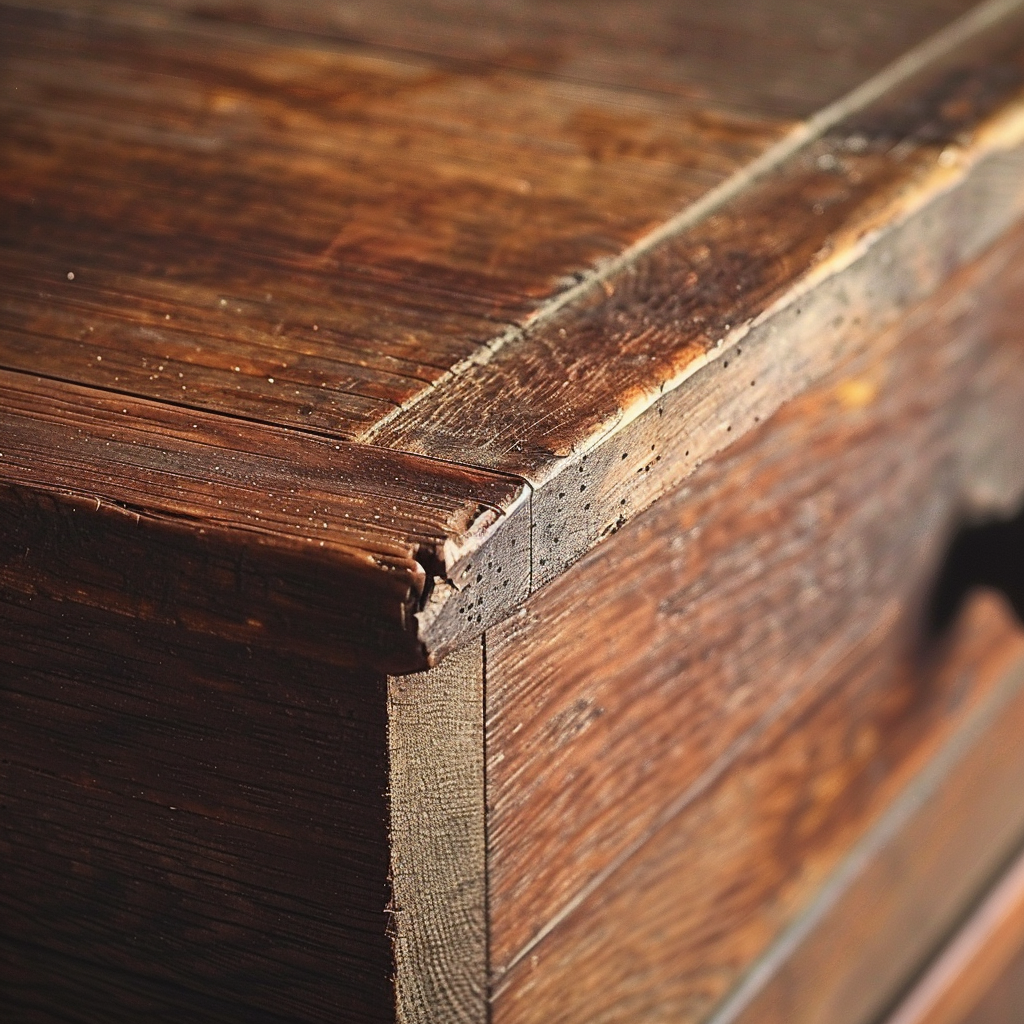
Scratches, loose handles, faded varnish — that’s all fixable. What’s harder to repair:
Cracks in structural parts
Broken legs or unstable frames
Serious water damage or mold
Ask yourself: Would a bit of sanding, new hardware, or a re-oil bring this piece back to life? If yes, it might be worth every krone.
Learn the Classic Silhouettes and Designers
The more you know, the better your eye becomes. Get familiar with:
Mid-century Scandinavian forms — clean lines, tapered legs, teak and oak
Design signatures — like Eames chair bases, Hans Wegner arm shapes, or Arne Jacobsen-style curves
Check for makers’ marks underneath or inside drawers. A hidden stamp can mean big value.
Use Lighting and Angles When Buying Online
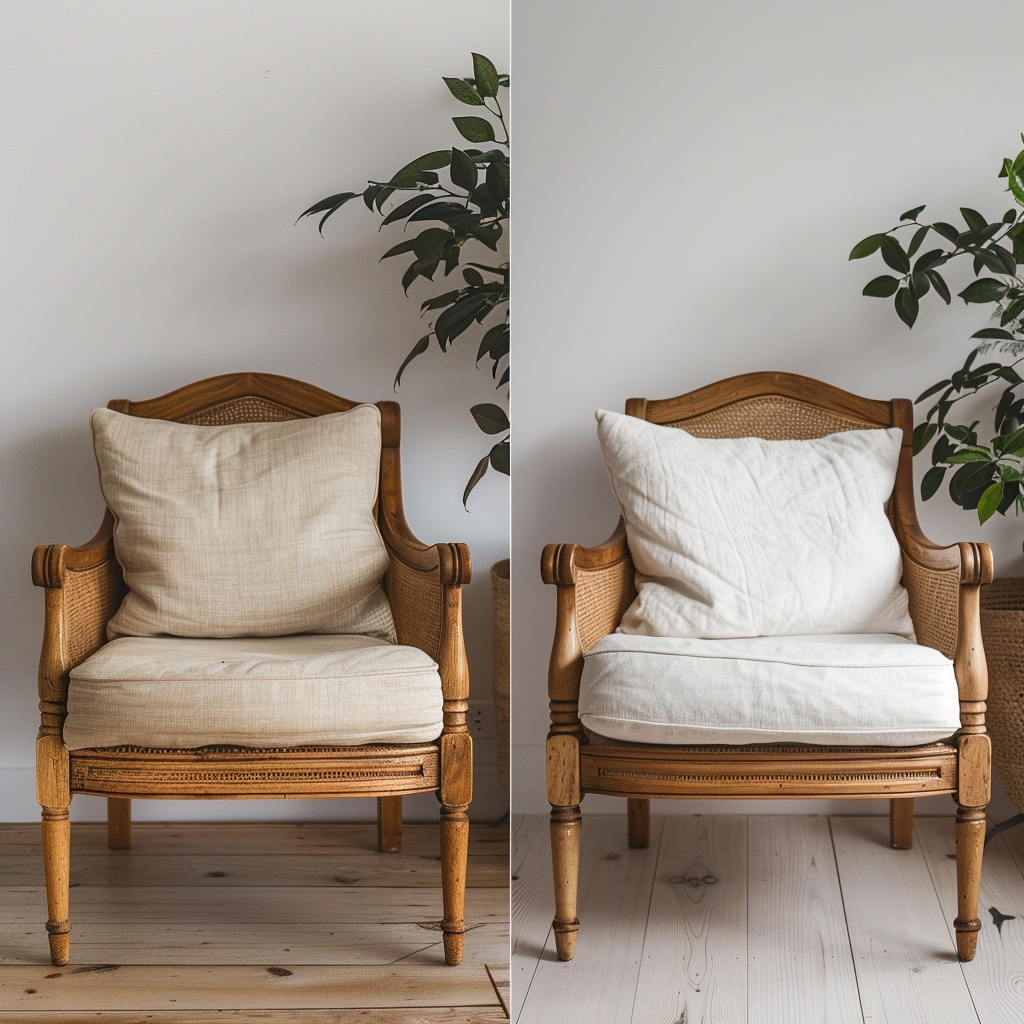
Online listings are trickier. Ask for:
Daylight photos from different angles
Close-ups of joints, legs, and any damage
A sense of scale (next to a chair or person)
Bonus tip: If the seller’s living room is styled with care, chances are the furniture has been cared for too.
Don’t Be Afraid to Negotiate (Respectfully)
Vintage sellers often expect a little back-and-forth — just be kind. Offer what it’s worth to you, not what you think you can “score.” A lowball offer on a rare piece just burns bridges.
Final Thoughts
Over the years, I’ve picked up Danish modern chairs, brutalist lamps, and Bauhaus-style sideboards for far less than they’re worth — not because I was lucky, but because I was patient and knew what to look for.
If you’re willing to learn and trust your gut (and maybe carry a tape measure), vintage furniture can be one of the most satisfying ways to build a stylish, sustainable home.