Color Drenching in Vintage Decor: A Bold Take on Timeless Style
Why Color is Having a Moment Again
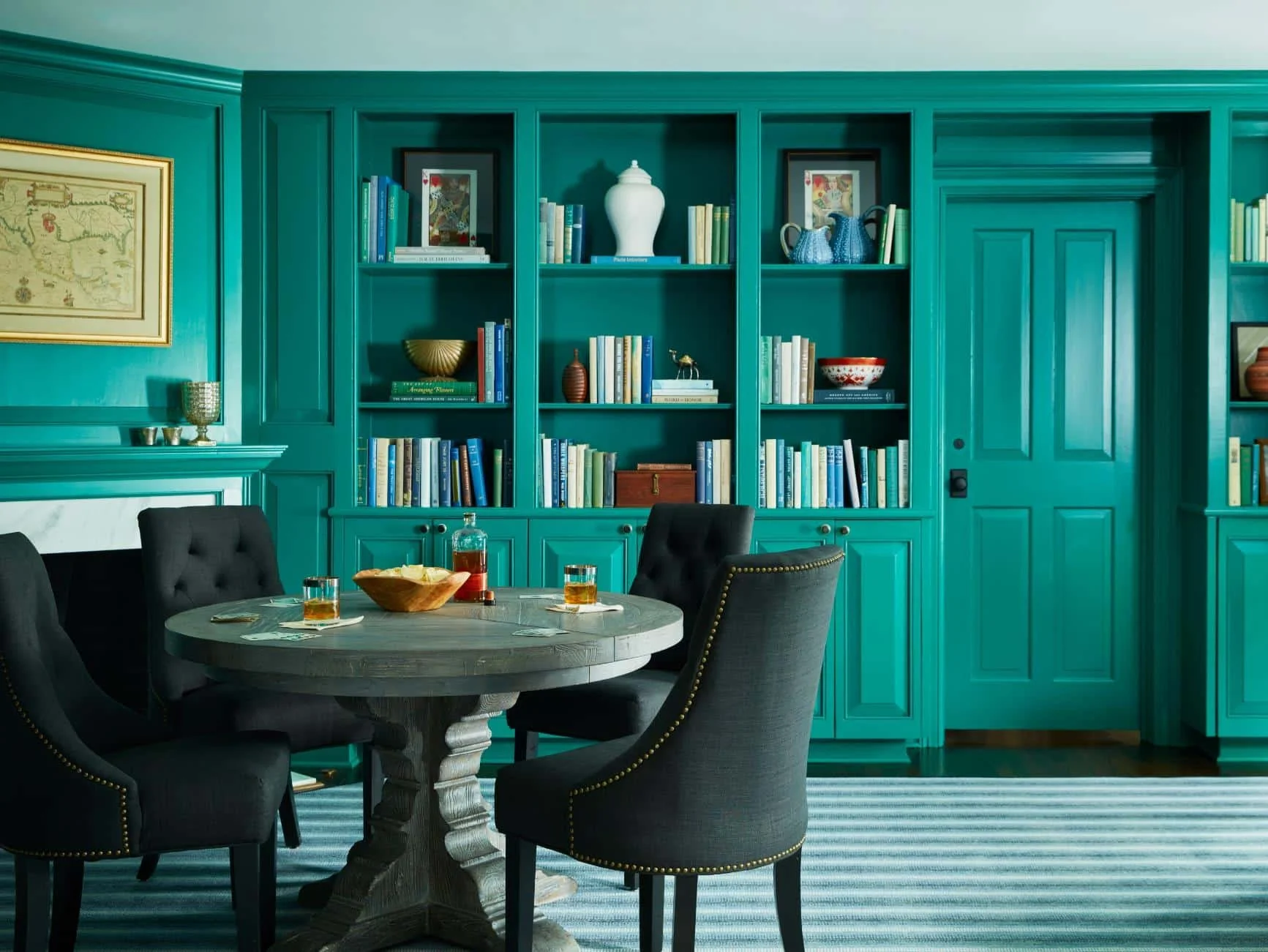
Photo: Serendipity Social
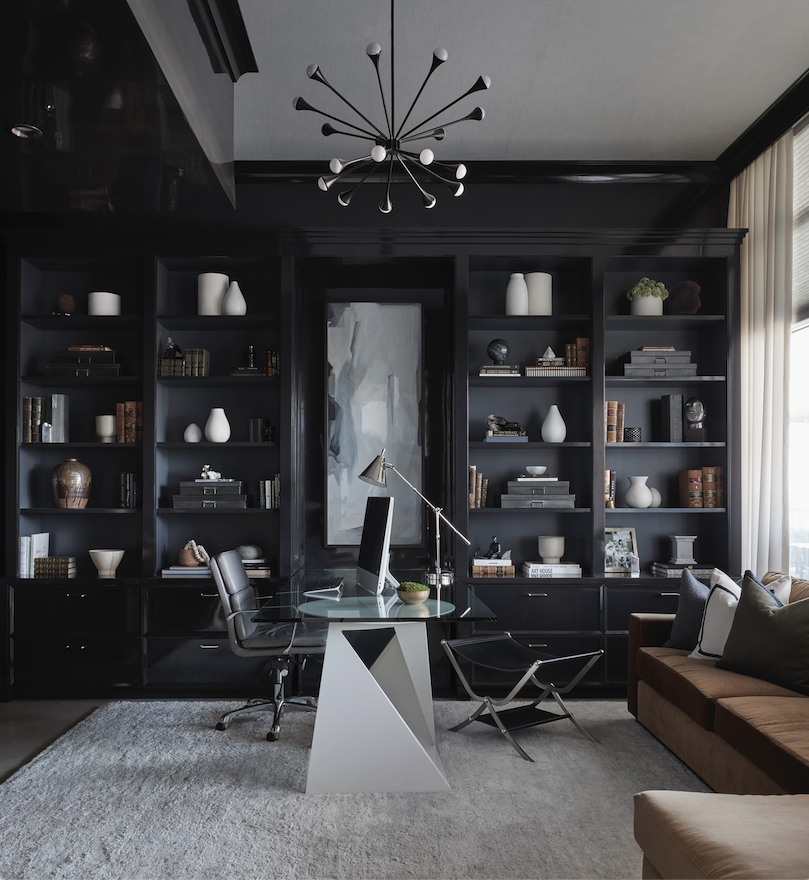
Photo: House Beautiful
As someone who’s spent years obsessing over mid-century tones and the perfect patina on a wood cabinet, I used to play it safe with wall colors. A neutral base, then layer the story on top — that was the rule.
But lately, I’ve been seeing rooms soaked in one shade — walls, ceilings, trim, even furniture — and it just works. This is called color drenching, and it's one of the biggest decor trends right now. Not just in new builds or minimalist interiors, but also as a wild and wonderful partner to vintage and classic design.
Let me walk you through how it works, where it started, and how you can embrace it in your own home — whether you're styling a Danish teak sideboard or restoring a retro armchair.
What is Color Drenching?
Color drenching is exactly what it sounds like: saturating a space in a single color or a tonal variation of one hue. Think:
Walls, ceiling, and trims in moody blue.
A green velvet sofa against olive walls and painted radiators.
Even bookshelves and cabinetry matching the surrounding walls.
It creates an immersive and cozy atmosphere that feels both fresh and dramatic.
How It Works with Vintage
Here’s the fun part: vintage furniture and color drenching were made for each other.
Mid-century pieces pop against strong tones like ochre, rust, or bottle green.
Vintage ceramics or glassware look even more curated in a saturated, monochromatic setting.
Using one color emphasizes the texture and shape of your vintage finds — it lets the patina shine.
Color drenching isn’t about erasing your style — it’s about giving your pieces a bold stage.
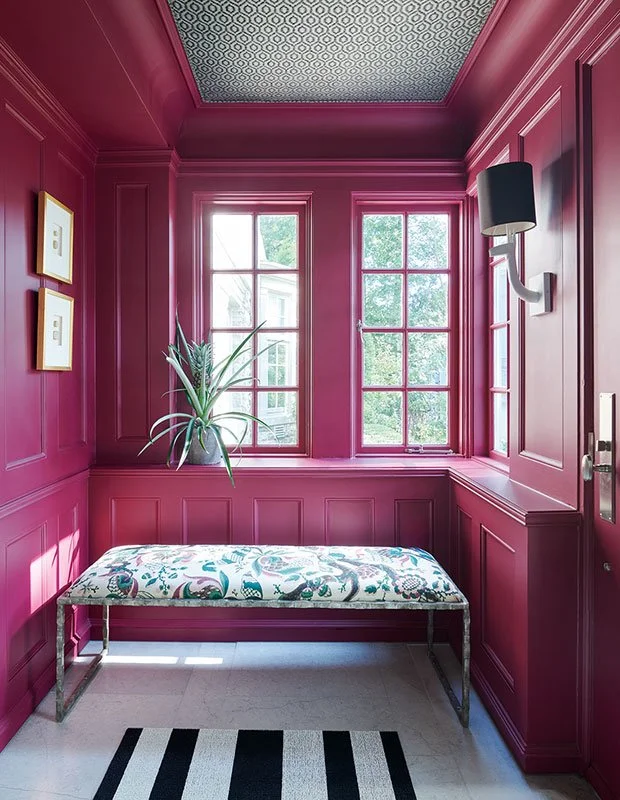
Photo: House and Home
How to Try It (Without Regret)
Start Small
Try color drenching in a hallway, guest room, or reading nook. The impact is instant without overwhelming your main spaces.Stick to One Hue, Vary the Texture
Choose one base color, but vary the finishes — matte walls, glossy painted wood, soft textiles. This adds depth and keeps the space dynamic.Pick a Vintage Focal Point
Use a vintage chair, mirror, or artwork as the centerpiece. Color drenching draws the eye straight to your statement piece.Try the Ceiling Too
Yes, really. Painting the ceiling makes the room feel cohesive and immersive — especially in smaller spaces.
On Samsø, where I grew up, bold color choices were often seen as impractical. But in my own mid-century home now, I’ve found that embracing deep, moody colors brings out the soul of the vintage furniture I love.
I’ve been playing with dusty greens and terra cotta shades in my office, and the way they frame my older pieces is honestly next level. It’s like the house is telling a louder story now — and I’m here for it.
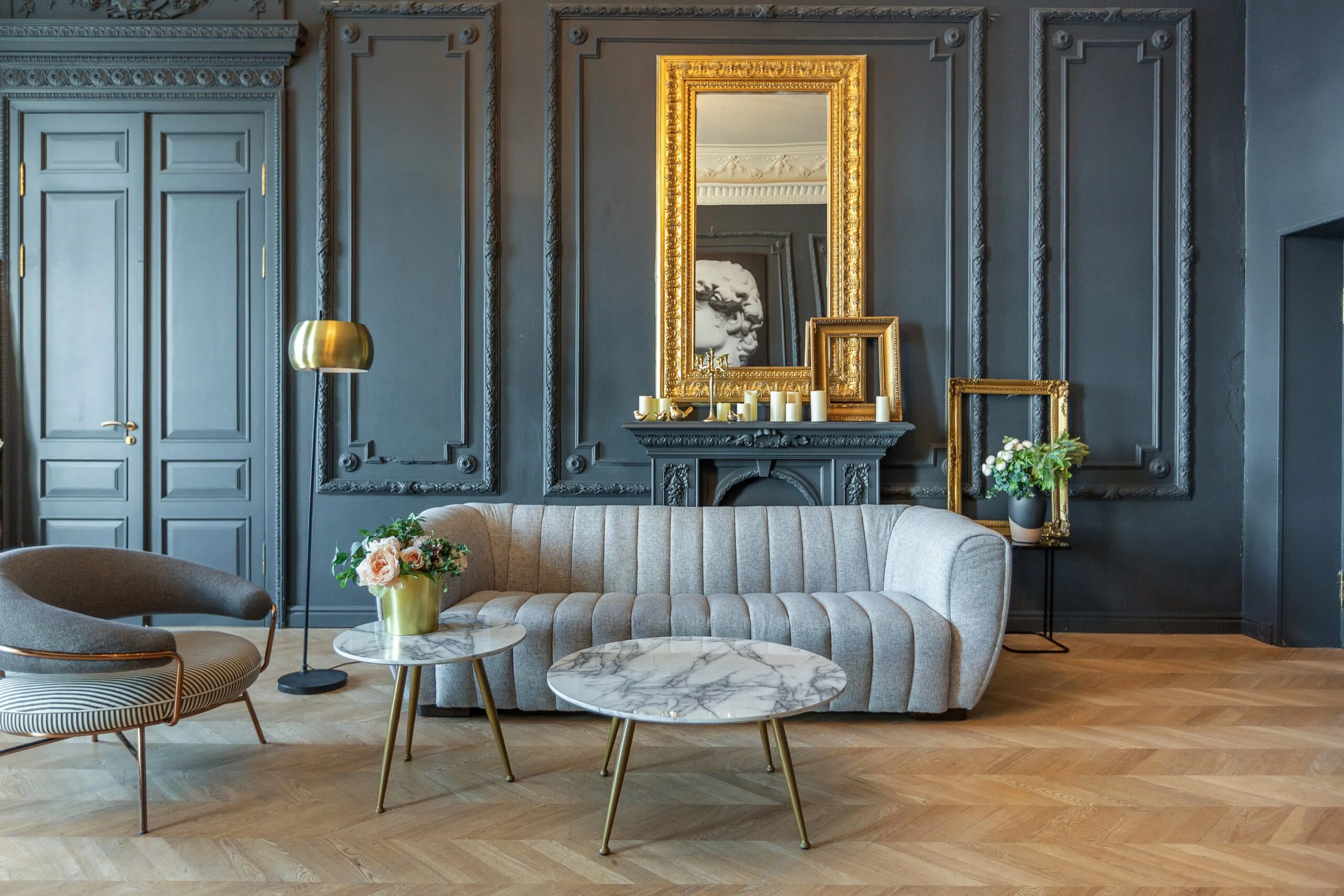
Photo: Brush Brothers Paint